
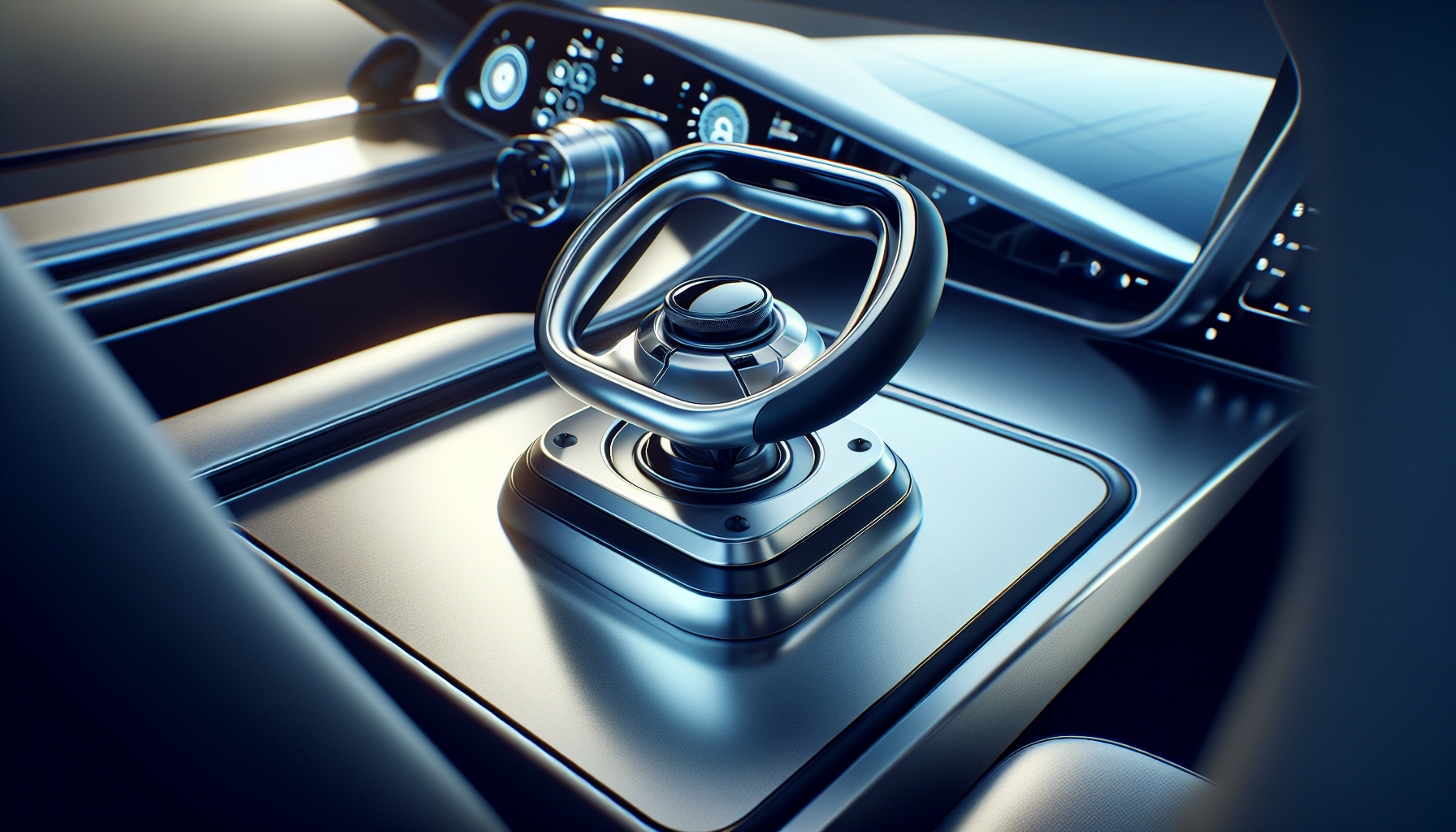
Have you ever wondered what it’s like to sit inside Tesla’s most unconventional truck?
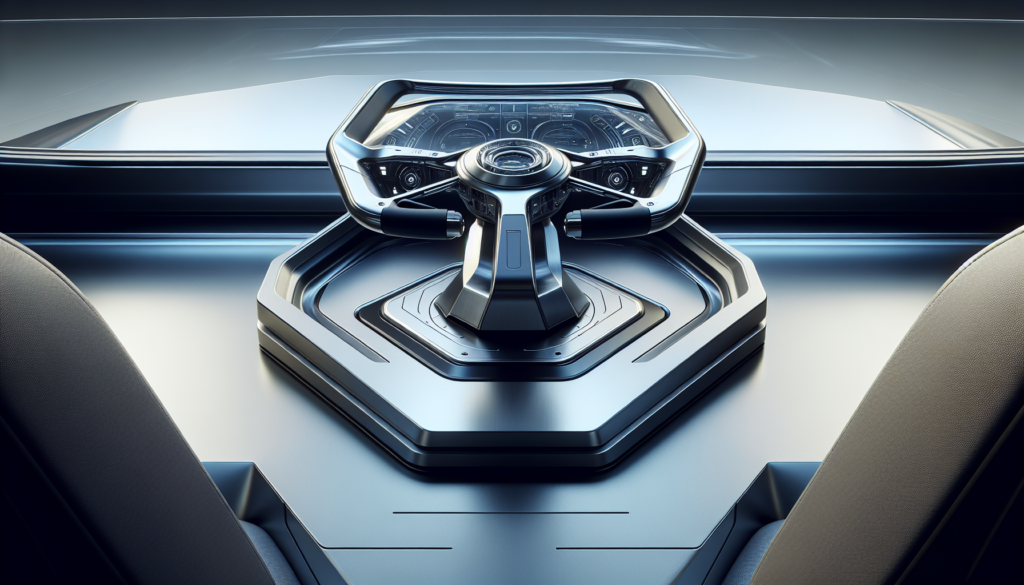
Inside the Cybertruck Interior
You’ll find that the Cybertruck interior pushes a futuristic aesthetic while aiming for practical utility. The cabin balances minimalist design, advanced tech, and materials chosen for durability so you can imagine both daily driving and rougher use cases.
First impressions and overall vibe
When you open the door, the first sensation is spaciousness paired with a stark, industrial feel. The uncluttered surfaces and straight lines create an atmosphere that feels more like a modern loft than a traditional pickup cabin.
Materials and finish quality
Tesla uses a mix of hard metals, vegan leather-like materials, and high-durability plastics in strategic places. You should expect tactile contrasts: smooth metal on the center console, soft-touch surfaces where you rest your arm, and rugged panels in cargo-facing areas.
Seating and passenger comfort
You’ll want seats that are comfortable for long drives and resilient for hard use. The Cybertruck seating is designed to strike a balance between supportive ergonomics and easy-clean practicality.
Front seats: support and adjustability
The front seats typically offer a wide range of adjustments, including lumbar support and multiple recline positions. You should find them comfortable enough for highway miles, with firm bolstering that keeps you well-positioned during turns.
Rear seats: space and configuration
The rear bench provides generous legroom thanks to the flat floor and truck-like proportions. You can expect a higher seating position compared with most sedans, which improves outward visibility and overall comfort for taller passengers.
Seat materials and maintenance
Seats are often covered in durable synthetic materials that resist stains and wear, making them easy to maintain. You’ll appreciate that spills and dirt clean off more readily than traditional cloth upholstery, which helps if you use the truck for work or outdoors activities.
Dashboard, controls, and user interface
The cabin’s command center reflects Tesla’s minimalist approach while delivering a technology-rich environment. You will interact mostly through a central touchscreen and a simplified set of physical controls.
The central touchscreen experience
A large, horizontally oriented touchscreen dominates the dash and handles vehicle settings, navigation, media, and climate controls. You’ll find the interface responsive and intuitive after a short learning curve, with frequent over-the-air updates that can add or tweak features.
Steering, stalks, and physical switches
Physical controls are intentionally limited to simplify the dashboard layout. Essential functions like turn signals and wipers typically remain on stalks, while multifunction buttons on the steering wheel help you manage quick-access tasks without taking your hands off the wheel.
Haptic and voice controls
Voice commands and touch gestures reduce the need to manipulate the display while driving. You should practice common voice prompts to get the most efficient use of hands-free controls.
Infotainment, connectivity, and sound system
You can expect a robust digital ecosystem focused on connectivity, entertainment, and productivity. Tesla builds infotainment systems that make long trips and work on the go more enjoyable.
Streaming, navigation, and apps
The infotainment suite integrates streaming services, real-time navigation with traffic overlays, and apps designed for media and productivity. You’ll rely on the system for route planning and entertainment, especially on longer trips.
Audio system quality
Expect a high-quality factory audio system tuned for clarity and dynamic range. If you appreciate deep bass or concert-like fidelity, optional upgrades or aftermarket systems can tailor the sonic experience to your preferences.
Wireless and device integration
Wireless Apple CarPlay and Android Auto alternatives exist through native integrations and Bluetooth. Charging options include wireless pads and multiple USB-C ports to keep your devices powered.
Storage, cargo access, and utility
One of the primary reasons people choose a truck is cargo capability, and the Cybertruck brings unique solutions to storage and practicality. You’ll benefit from versatile storage conceived around both work and recreational uses.
Frunk, center console, and glovebox
Tesla retains the front trunk (frunk) concept, adding lockable compartments and a centralized storage console. You should find secure and organized spaces for small tools, charging cables, and personal items.
Vault and bed functionality
The rear bed—referred to by Tesla as the “vault”—is large and configurable, with a hard tonneau cover that locks. You’ll appreciate integrated tie-downs, modular inserts, and a power tailgate for easier loading and unloading.
Under-seat and hidden compartments
Under-seat storage and cleverly hidden compartments add secure spaces for valuables and smaller items. These areas are particularly useful if you transport gear that you want to keep separate from the main bed.
Table: Key storage areas and approximate capacities
| Storage Area | Typical Use | Approximate Capacity |
|---|---|---|
| Front trunk (frunk) | Cables, tools, small bags | ~100–200 liters |
| Center console | Daily items, devices | ~20–40 liters |
| Rear vault/bed | Large cargo, tools, outdoor gear | Varies significantly (bed length configurable) |
| Under-seat storage | Small valuables, paperwork | ~10–30 liters |
| Hidden compartments | Secure storage for tools | Varies by configuration |
Climate control, ventilation, and acoustics
Your comfort will depend on effective temperature control and a cabin with balanced acoustics. Tesla aims for efficient HVAC performance and a quiet ride.
Heating and cooling strategies
A powerful HVAC system with zoned control helps maintain cabin comfort in diverse conditions. You’ll find rapid cooling in summer and efficient heating, often with heated seats to supplement cabin warmth in colder weather.
Vent layout and airflow
The vent design usually emphasizes steady, widespread airflow to avoid hot or cold spots. You should notice even temperature distribution in both front and rear areas, aided by automatic climate control.
Cabin noise and soundproofing
While the Cybertruck’s exterior is angular and metallic, Tesla typically employs sound-deadening materials to reduce wind and road noise. You’ll experience a quieter cabin than raw metal panels would suggest, though tire and wind noise at high speeds can still be noticeable.
Lighting, ambiance, and convenience features
Interior lighting and small conveniences greatly affect how pleasant your time inside the truck will be. Tesla pays attention to details that influence usability and comfort.
Ambient and task lighting
Soft ambient lighting provides a pleasant cabin glow for night driving, while task lighting helps with reading maps or locating items. You’ll find lighting designed to be unobtrusive yet functional.
Convenience add-ons: cupholders, hooks, and power outlets
Practical elements—cupholders, coat hooks, and power outlets—are designed around everyday use. You’ll be able to charge devices easily and keep belongings neatly stowed.
Safety features and driver assistance
Tesla places a strong emphasis on active safety and driver assistance technologies. You’ll encounter a suite of features intended to assist and protect you in a wide range of conditions.
Standard active safety systems
Lane-keeping assist, automatic emergency braking, and forward collision warnings are typically included to help you avoid common risks. These systems work proactively to reduce the likelihood of accidents.
Autopilot, Full Self-Driving (FSD), and driver responsibility
Advanced driver assistance options like Autopilot and optional Full Self-Driving capabilities offer semi-autonomous features. You must remain attentive and ready to take control at all times, as current regulations and technology require human oversight.
Passive safety and crash protection
The structural design, airbags, and restraint systems are engineered to protect occupants during impact. You’ll benefit from Tesla’s structural reinforcements and crumple-zone strategies that aim to absorb energy during collisions.
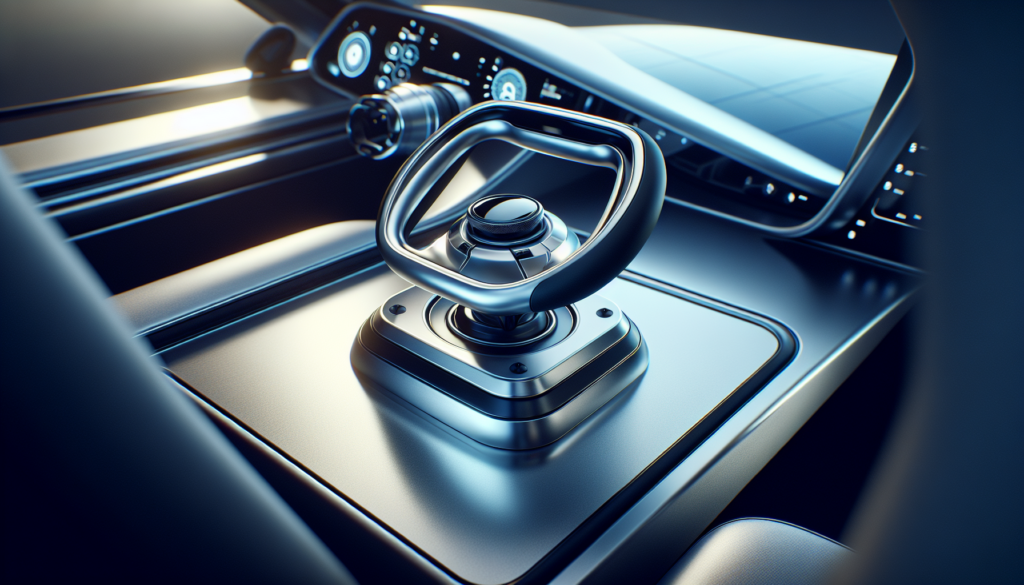
Ergonomics, accessibility, and daily usability
How easy the truck is to get in and out of, how controls reach you, and how storage fits your routines will determine how well the interior suits your life. Tesla works to make the truck both comfortable and practical.
Driver reach and control layout
Controls are situated to reduce driver stretch and fatigue, with commonly used functions within easy reach. You should quickly find a comfortable driving posture thanks to adjustable seats and steering column.
Door design and ingress/egress
Door opening angles and step heights aim to balance cabin access with ground clearance. You’ll find boarding the vehicle easy for most adults, though very tall or less mobile occupants might prefer additional assist steps or grab handles.
Child seats and pet-friendly considerations
LATCH anchors and wide rear-seat access make installing child seats straightforward. Pet owners will appreciate easy-to-clean surfaces and configurable storage areas that keep gear secured and separated.
Customization, options, and aftermarket possibilities
You can configure aspects of the cabin to match personal taste or function. From interior trim options to accessories, customization expands the vehicle’s appeal.
Factory options and packages
Tesla typically lets you choose interior color tones, seat finishes, and optional tech bundles. You’ll select features that enhance comfort, safety, or convenience based on how you plan to use the truck.
Accessories and modular add-ons
Aftermarket or Tesla-approved accessories—like modular bed racks, storage dividers, and protective floor liners—allow you to adapt the truck to specific tasks. You should assess your primary use cases to pick accessories that deliver the best ROI.
Professional upgrades for specific use cases
For work or extreme outdoor use, professional upgrades (e.g., heavy-duty floor liners, reinforced tie-downs, integrated toolboxes) can convert the Cybertruck into a tailored utility vehicle. You’ll want to consult specialists to ensure upgrades integrate safely with the vehicle’s systems.
Table: Common customization targets and typical benefits
| Customization | Typical Benefit | Ideal For |
|---|---|---|
| Heavy-duty floor liners | Easier cleanup, abrasion resistance | Contractors, outdoor users |
| Bed racks and crossbars | Better cargo organization, mounting points | Roof-top tents, kayaks |
| Sound system upgrades | Improved audio fidelity | Audiophiles, long-distance drivers |
| Lighting packages | Better interior/utility illumination | Night workers, campers |
Ownership experience, maintenance, and durability
Owning a Cybertruck comes with a different maintenance profile than a conventional truck due to its electric powertrain and unique materials. You’ll encounter lower routine maintenance for the drivetrain but may focus more on electronics and body care.
Scheduled maintenance and service intervals
Electric trucks typically require less frequent mechanical servicing — no oil changes and fewer moving parts. You should follow Tesla’s recommendations for inspections, brake fluid checks, and software updates.
Caring for materials and finishes
Metallic exteriors and synthetic interior materials require specific cleaning regimens to maintain appearance. You’ll want to use manufacturer-recommended cleaners for seats and polished metals to avoid damage.
Warranty, software updates, and remote diagnostics
Tesla’s warranty covers typical elements, and over-the-air updates can improve vehicle functionality over time. Remote diagnostics often catch potential issues early, saving you time at service centers.
Comparing the Cybertruck interior to traditional pickups
If you’re deciding between the Cybertruck and a more conventional truck, interior differences will be stark and important. You should weigh comfort, tech, and practicality against rugged familiarity.
Minimalism vs. traditional controls
The Cybertruck’s interior reduces physical controls and emphasizes a touch-based interface. You’ll experience a cleaner dash, but you may miss tactile knobs or switches found in traditional trucks.
Cabin space and versatility
Cybertruck’s cabin often provides more continuous interior volume due to its flat floor and layout. You should find it easier to move between front and rear seats and to carry longer items inside the cabin when needed.
Tech integration and long-term ownership
Tesla integrates digital services tightly into the vehicle, which can improve functionality but also tie you into software ecosystems. You’ll benefit from continuous improvements but must also adapt to evolving interfaces.
Table: Feature comparison snapshot
| Feature | Cybertruck | Typical Full-Size Pickup |
|---|---|---|
| Infotainment size | Large central touchscreen | Multiple screens + physical controls |
| Storage versatility | Modular vault + frunk | Bed + in-cab storage pockets |
| Maintenance needs | Lower drivetrain maintenance | Routine engine/transmission care |
| Ambient noise | Moderated by soundproofing | Varies by cabin insulation |
Practical tips for getting the most from the Cybertruck interior
Knowing a few hacks and best practices will make your ownership experience smoother and more enjoyable. You’ll quickly adapt the cabin to suit travel, work, and leisure.
Protecting high-wear areas
Use durable floor mats, door-edge protectors, and seat covers if you expect heavy use. You’ll prevent premature wear and retain resale value by protecting key surfaces.
Setting up profiles and preferences
Create driver profiles for seat position, mirror alignment, and infotainment preferences. You’ll save time when multiple people drive the truck, and profiles usually sync to key fobs or phone keys.
Using storage smartly
Keep frequently used items in reachable compartments and heavier tools in the vault or bed to improve weight distribution. You’ll reduce clutter and make cargo management more efficient.
Environmental considerations and efficiency inside the cabin
While cabin features influence comfort, you might also care about energy use and sustainable materials. Tesla often considers these factors when designing interiors.
Energy-efficient climate strategies
Using seat heaters, preconditioning while plugged in, and efficient temperature settings can reduce range loss due to HVAC use. You’ll get the best efficiency by preheating or precooling while charging.
Sustainable materials and recyclability
Synthetic leathers and recycled materials may be used to reduce environmental impact. You’ll want to check specific trim details to understand the environmental trade-offs of your configuration.
What reviewers and owners typically say
Real-world feedback helps you understand how the cabin performs over time. Owners and reviewers commonly highlight specific strengths and trade-offs in the Cybertruck interior.
Common praises
People often praise the spaciousness, technology-rich interface, and rugged storage solutions. You’ll likely enjoy the sense of openness and the adaptability of the bed and vault.
Typical criticisms
Critiques typically mention the learning curve for the touchscreen-heavy interface and concerns about how the unique exterior influences interior ergonomics. You should expect some adaptation time as you get used to fewer physical controls and different sightlines.
Frequently asked questions (FAQs)
These concise answers target common concerns you may have before or after purchase.
Will the interior be comfortable for long trips?
Yes. The combination of supportive seats, effective climate control, and a quiet cabin make it suitable for long drives. You should find it comfortable after an adjustment period to the seat tuning.
Is the cabin easy to clean after outdoor work?
Generally yes—materials are chosen for durability and easy maintenance. You’ll appreciate removable floor mats and wipeable surfaces after muddy or dusty jobs.
Can the rear seats fold flat for cargo?
Many configurations include fold-flat or fold-forward options to increase cargo length. You’ll be able to carry longer items inside the cabin when needed.
Do you need to be tech-savvy to use the infotainment system?
Basic functions are intuitive, but advanced features may require time to learn. You’ll pick up the essentials quickly, and frequent software updates can change workflows over time.
Final thoughts and practical takeaways
Your experience inside the Cybertruck will be shaped by how you use the vehicle day-to-day. The cabin blends futuristic minimalism with practical touches intended for versatile use.
You’ll find that the design favors ease of cleaning, modular storage, and a tech-first user experience. If you prioritize advanced infotainment, large interior volume, and low drivetrain maintenance, the Cybertruck interior is aligned with those goals. On the other hand, if you prefer many tactile controls or the familiar feel of traditional trucks, you’ll adjust to Tesla’s streamlined approach over time.
If you plan to use the truck for both work and recreation, consider protective accessories, profile configurations, and a few practical upgrades to tailor the cabin to your needs. With thoughtfulness about how you’ll load and use the truck, you’ll convert the minimalist canvas of the Cybertruck interior into a highly functional space that supports your lifestyle.