
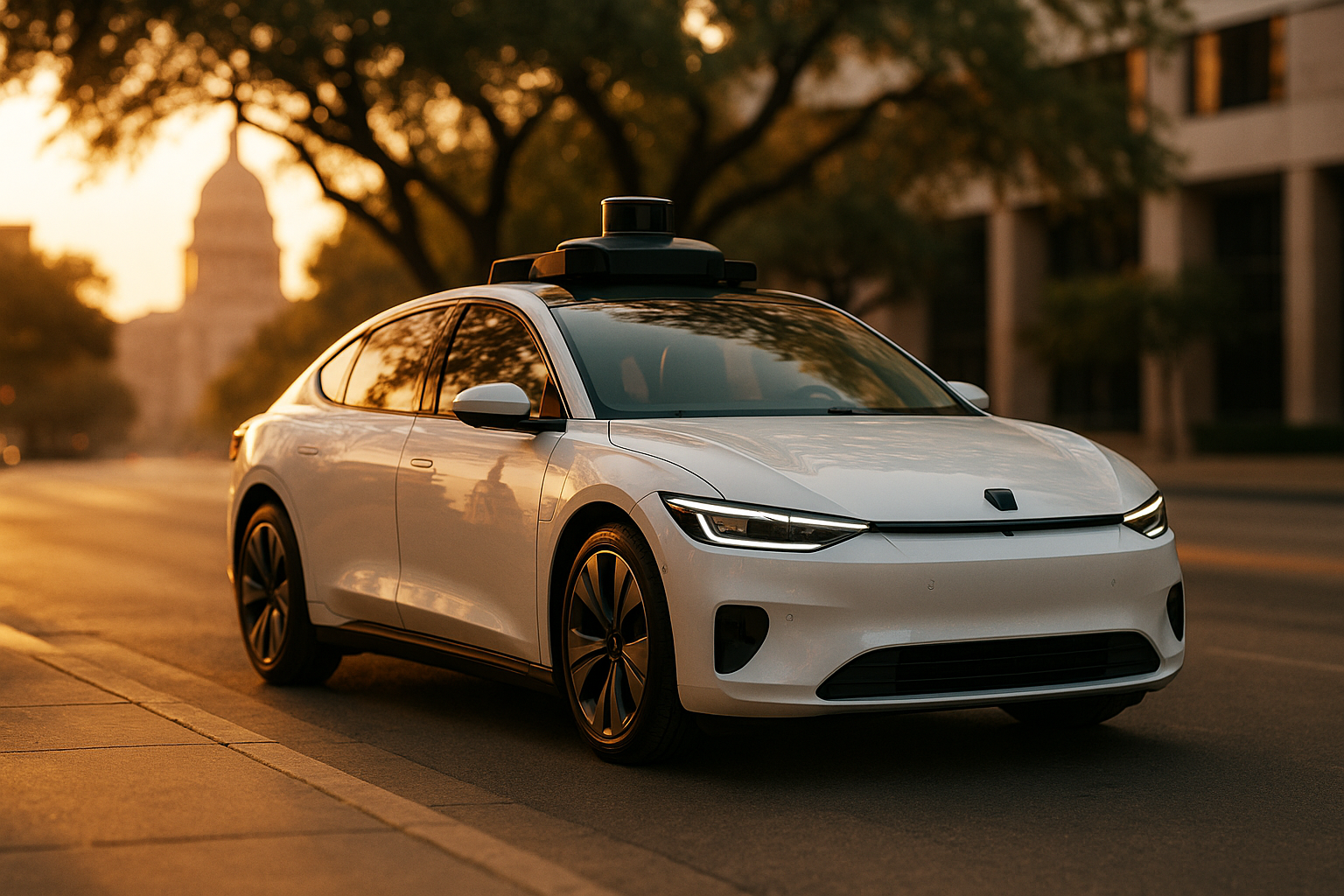
Are you curious how autonomous rides will change the way you move around Austin?
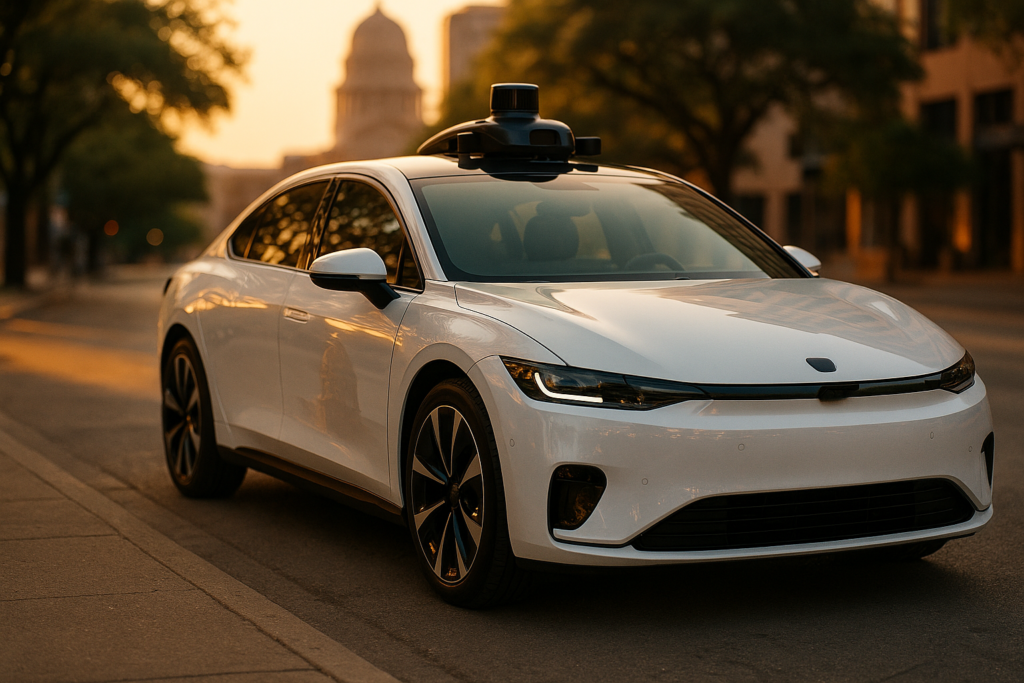
Austin Welcomes the Tesla Robotaxi
This article walks you through what the Tesla Robotaxi launch in Austin means for you, your daily commute, and the city’s transportation landscape. You’ll find practical information on how the service works, safety considerations, local regulations, where you can ride, and how to interact with the vehicle as a rider.
What is the Tesla Robotaxi?
You’ll want to know what sets the Robotaxi apart from other autonomous vehicles and traditional ride services. The Tesla Robotaxi is Tesla’s fully autonomous ride-hailing vehicle concept designed to operate without a human driver, enabled by Tesla’s Full Self-Driving (FSD) software and sensor suite.
Tesla’s Robotaxi is intended to be a vehicle that you can hail via an app, ride without an onboard driver, and pay per trip. It aims to combine the convenience of rideshare with the efficiencies of autonomous driving.
Key Components of the Robotaxi
You should understand the technology stack that powers the Robotaxi so you can judge safety and reliability. The core components include Tesla’s neural network for perception and decision making, a suite of cameras and sensors (not LIDAR in Tesla’s current approach), redundant braking and steering systems, and robust mapping and fleet learning capabilities.
These components work together to let the vehicle identify objects, predict behaviors, and navigate urban and suburban environments dynamically.
Differences Between FSD-Enabled Teslas and a Robotaxi
If you’ve seen Teslas operating with FSD Beta or Autopilot, note that the Robotaxi represents a commercial, driverless application at scale. While FSD Beta often still requires driver supervision in private testing, a Robotaxi operating in Austin would be intended to run without a human driver in the vehicle.
You’ll notice differences in redundancy, monitoring, and operational design because Robotaxi services require higher standards for safety, remote oversight, and regulatory compliance.
Why Austin for the Launch?
You might wonder why Austin was selected as a launch city. Austin combines a favorable regulatory environment, a tech-savvy population, significant traffic challenges, and strong demand for mobility innovation — all of which make the city an attractive pilot ground for new autonomous mobility services.
The city’s infrastructure, presence of tech-forward commuters, and a history of early adoption of transportation technologies create a fertile environment for a Robotaxi service to operate and iterate.
Local Factors That Matter to You
For your day-to-day life, Austin’s road conditions, traffic patterns, and driving culture will influence how the Robotaxi behaves. You’ll see the system adapt to typical Austin scenarios like busy downtown corridors, University of Texas area traffic, and frequent event-driven surges during festivals and concerts.
This local adaptation is important to ensure a smooth and reliable experience for you as a rider.
How the Tesla Robotaxi Service Will Work in Austin
You’ll interact primarily with an app to request rides, set pickup/dropoff locations, and pay. The Robotaxi app (likely integrated with Tesla’s existing system or an Uber-like app partnership) will let you:
- Request a ride and receive an estimated pickup time.
- Track the vehicle arrival and follow any rider instructions.
- Get fare estimates, route options, and shared-ride opportunities.
- Rate and review rides, and report issues.
Booking, Pickup, and Dropoff
You’ll request a ride via app, get a confirmation, and then watch the vehicle arrive. Pickups may use designated curbside hubs or dynamic curb management depending on location and local rules. Dropoffs will be in legal curb zones or designated drop-off spots to manage traffic flow.
If the vehicle cannot reach your exact pickup point (for example, a narrow alley or temporary obstruction), it will ask you to walk to a nearby safe pickup location.
Shared Rides and Pooling
You may choose pooled rides to reduce cost. Pooling will combine compatible trips in real time, optimizing routes and minimizing detour times while keeping you informed of co-riders.
Pooling can reduce your fare significantly, but it may increase total trip time slightly based on detours.
Safety and Redundancy Measures
Safety will be at the core of the Robotaxi operation, and you’ll want to see multiple layers of protection. Tesla’s approach typically emphasizes software-driven perception backed by hardware redundancy and remote monitoring.
Expect measures such as:
- Multiple redundant braking and steering systems.
- Real-time remote monitoring and intervention capability.
- Continuous fleet learning to improve detection and decision-making.
- Local geofencing for high-risk zones or event areas.
Emergency Procedures and Rider Interaction
You’ll need to know what to do in an emergency. Robotaxis will have clear in-vehicle instructions, an emergency stop mechanism, and direct connection to remote operators and emergency services.
If you experience an issue, you’ll be able to use the app’s help features or use vehicle controls to summon assistance. Remote operators can assume limited control or guide the vehicle to a safe stop if needed.
Regulatory Oversight and Testing
You should expect oversight from state and city regulators, including vehicle certification, safety testing, and compliance with Texas Department of Motor Vehicles requirements. Pilot operations will likely include phased approvals, public reporting, and independent audits.
Regulatory oversight will set the safety baseline that protects you and other road users.
Where You Can Ride in Austin
The initial rollout will likely target neighborhoods and corridors with high demand and manageable operational complexity. Typical focus areas include:
- Downtown Austin for short trips and nightlife transit.
- University of Texas campus routes for student mobility.
- Airport and hotel corridors for traveler convenience.
- Major arterial roads that are well-mapped and monitored.
A table can help you visualize priority zones and expected service levels.
| Zone Type | Example Areas | Likely Service Characteristics |
|---|---|---|
| Downtown | 6th St, Congress Ave | High frequency, short rides, dynamic pickups |
| University | UT campus area | Student discounts, shuttle-style operations |
| Airport Corridor | Between Austin-Bergstrom and hotels | Luggage-friendly vehicles, scheduled pickups |
| Suburban Arterials | Mopac, Ben White | Lower frequency, longer trips, geofenced operation |
You’ll benefit from predictable service in high-demand zones and evolving service in broader areas as the fleet grows.
Pricing Models and Cost Expectations
You’ll want to understand how fares compare to taxis, rideshare, and public transit. Tesla’s Robotaxi pricing may include variable factors such as distance, time, demand surge, pooling discounts, and subscription options.
Here’s a hypothetical pricing breakdown to give you an idea:
| Pricing Element | Possible Structure | What It Means for You |
|---|---|---|
| Base Fare | Small flat fee per ride | Covers vehicle dispatch costs |
| Per-Mile / Per-Minute | Similar to rideshare rates | You pay for distance/time traveled |
| Dynamic Pricing | Peak times or events may be higher | Expect surges during festivals |
| Pooling Discount | 20–50% discount | Lower cost if you accept shared rides |
| Subscription | Monthly pass for frequent riders | Fixed cost for unlimited or discounted rides |
Actual prices will depend on Tesla’s strategy, local regulation, and competition.
Cost Comparison with Alternatives
You’ll often find Robotaxi fares competitive with ride-hailing services, and potentially cheaper when pooled. Compared to public transit, Robotaxi offers door-to-door convenience but may cost more per trip. Over time, increased efficiency and competition could lower costs.
Environmental and Congestion Impacts
You may wonder how widespread Robotaxi use will affect emissions and traffic. The impact depends on fleet electrification, vehicle utilization, and how services integrate with public transit.
If the Robotaxi fleet is fully electric, local tailpipe emissions will drop. However, increased vehicle miles traveled (VMT) due to empty repositioning trips could increase congestion if not managed properly.
Policies to Mitigate Negative Effects
To ensure benefits for you and the city, operators and regulators will likely pursue policies such as:
- Encouraging pooling to reduce VMT per passenger.
- Geofencing busy areas to minimize empty cruising.
- Coordinating with public transit for first/last mile connections.
- Time-of-day pricing to discourage unnecessary peak trips.
These policies help align Robotaxi operations with Austin’s sustainability goals.
Accessibility and Equity Considerations
You’ll want a service that is accessible and equitable. Tesla will need to make Robotaxis usable for riders with mobility devices, visual or hearing impairments, and other needs.
Plans likely include wheelchair-accessible vehicles, audio and visual interfaces, and priority service options for underserved neighborhoods.
Programs for Low-Income Riders
Cities often require or incentivize equity programs, such as discounted fares for low-income residents or dedicated service quotas in certain communities. You may see neighborhood-focused pilots and partnerships with social service agencies to ensure broad access.
Integration with Austin’s Public Transit
You should expect Robotaxi services to complement, not necessarily replace, public transit. The most effective scenarios will see Robotaxis handling first/last-mile trips to transit hubs, thereby extending transit reach and convenience.
Coordination might include integrated ticketing, transit-oriented pickup/dropoff zones, and scheduling alignment to reduce wait times.
How This Helps You
By using Robotaxis to connect to buses and light rail, you can reduce the time and hassle of reaching transit stations. This integration can make multimodal trips more seamless and attractive.
Legal and Insurance Framework
You’ll want to know who is responsible when something goes wrong. Liability frameworks for autonomous vehicles are evolving, and operators, manufacturers, and insurers are negotiating responsibilities.
Texas has laws governing autonomous vehicles, and operators must carry insurance and meet state requirements. You’ll likely be protected by customer-facing insurance policies and state-mandated coverage for autonomous operations.
What to Expect If There’s an Incident
If you’re involved in an incident, the Robotaxi company will have protocols for incident reporting, immediate assistance, and claims processing. Your personal insurance may also play a role depending on circumstances and local law.
Data, Privacy, and Rider Trust
You’ll be sharing trip data, location, and possibly biometric information for vetting or payment. Data privacy protections will be important for building your trust.
Companies will need to comply with privacy laws and provide transparent disclosures about data usage, retention, and sharing with authorities or third parties.
What You Should Look For
You should expect clear privacy policies, opt-in controls for certain data uses, and access requests so you can review or delete personal data. Transparency around data practices will be critical to your comfort with the service.
Charging and Maintenance Infrastructure
You’ll be curious how the fleet stays charged and maintained to ensure reliability. Robotaxi fleets will require strategically located charging hubs, fast chargers, and routine maintenance facilities.
Tesla’s Supercharger network and dedicated fleet charging locations will likely support operations, along with predictive maintenance enabled by telemetry data.
Impact on Grid and Local Energy
Widespread charging needs could affect Austin’s energy grid. Operators may coordinate with local utility providers and use off-peak charging schedules or on-site energy storage to reduce grid impact. You may see new charging hubs in commercial zones and near transit centers.
Community and Business Response
You may see mixed reactions from local businesses, taxi operators, and community groups. Some will welcome increased mobility and customer access; others may be concerned about competition or labor impacts.
City leaders will engage stakeholders to manage transitions, support displaced workers, and integrate Robotaxi services with local economic planning.
Opportunities for Local Businesses
You could see partnerships where restaurants, hotels, and entertainment venues offer designated Robotaxi pick-up zones, discounts for rides, or integrated booking to enhance customer service.
Timeline and Phased Rollout
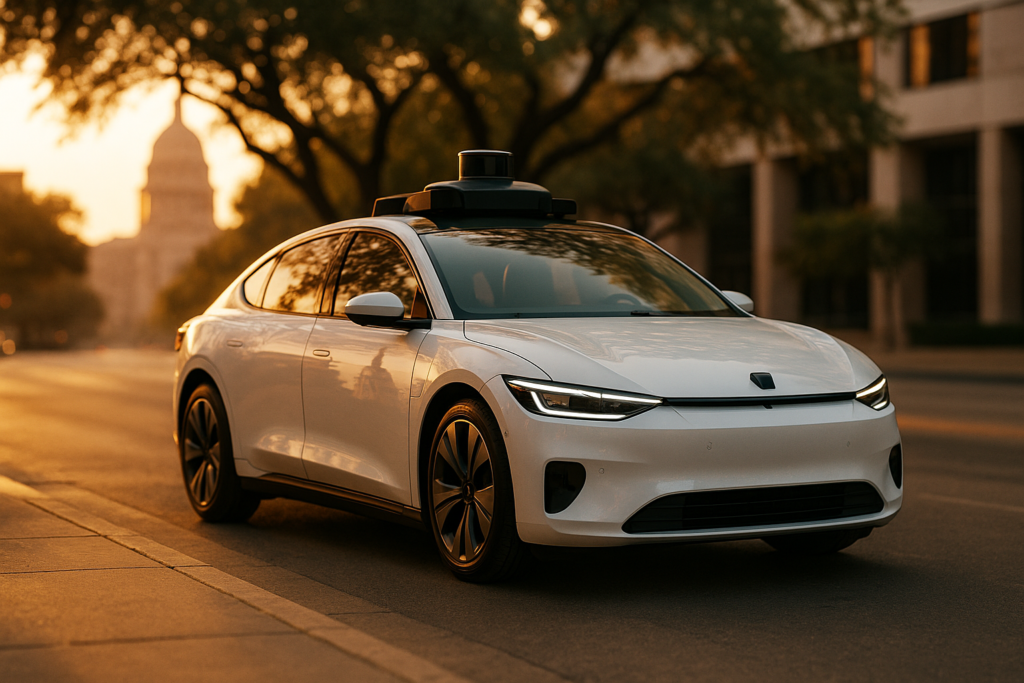
You’ll want to know when you can realistically use the Robotaxi. A phased rollout is typical: limited pilot zones, expanded coverage, increased fleet size, and continuous feature updates.
A sample phased timeline might look like this:
| Phase | Focus | What You Can Expect |
|---|---|---|
| Pilot (0–6 months) | Core downtown and airport corridors | Limited fleet, invitation or early-access riders |
| Expansion (6–18 months) | University, commercial neighborhoods | Increased vehicle count, improved availability |
| Scaling (18–36 months) | Citywide service areas | Broader coverage, pooling, reduced wait times |
| Maturity (3+ years) | Regional integration | Cross-city trips, full integration with transit systems |
Your access will open gradually as the system proves safe and efficient.
Rider Experience: What to Expect
You should know what a typical ride will feel like. Robotaxis are designed for seamless pickup and drop-off, smooth driving, and in-vehicle information systems that guide you through the trip.
Expect in-vehicle displays showing route progress, estimated arrival time, and safety instructions. Customer service will be reachable via the app or vehicle.
Etiquette and Rules
You’ll be expected to follow rules similar to other public transport: no smoking, follow mask or cleanliness protocols if required, secure belongings, and respect shared spaces. Special guidelines for children, pets, and service animals will be provided in the app.
How to Prepare for Your First Ride
If you plan to try a Robotaxi in Austin, you should register an account in advance, review safety instructions, and verify payment methods. Arrive at the pickup location promptly and follow instructions in the app for boarding.
If you have mobility needs, request accessible vehicles in-app or contact customer support ahead of time to confirm accommodations.
Tips for a Smooth Trip
- Allow a small buffer for first-time rides as the system calibrates to local patterns.
- Use pooled rides if you’re not in a hurry to save money.
- Keep your phone charged to maintain communication with the vehicle and support.
- Report any issues promptly to help improve the system for everyone.
Comparison: Robotaxi vs. Traditional Rideshare and Taxis
A clear comparison helps you decide when to choose a Robotaxi. The table below highlights typical differences.
| Feature | Robotaxi | Rideshare (Driver) | Traditional Taxi |
|---|---|---|---|
| Driver Present | No | Yes | Yes |
| Cost | Potentially lower (esp. pooled) | Variable | Variable |
| Availability | Growing, app-based | Widely available | Limited by dispatch |
| Accessibility | Planned options | Varies by driver | Often limited |
| Safety | High redundancy, remote ops | Human error factor | Human error factor |
| Environmental Impact | Electric fleets likely | Mixed | Mostly mixed/fossil fuel |
| Predictability | App-based ETAs, dynamic routing | App-based ETAs | Dispatch-based wait times |
You can use this table to decide the best option for your needs.
Addressing Common Concerns and FAQs
You’ll naturally have questions about safety, privacy, and legality. Below are common concerns and clear answers.
-
Will I be safe in a driverless vehicle? You’ll be protected by redundant hardware, continuous remote monitoring, and regulatory safety requirements designed for autonomous operations.
-
What if I forget something in the vehicle? You’ll report a lost item through the app; the operator will coordinate retrieval and return.
-
Can I bring a service animal? Yes. Rules for ADA compliance mean service animals will be allowed, and accessible options will be available.
-
How are fares paid? You’ll pay through the app using stored payment methods, pay-per-ride, or subscription plans.
-
Who’s liable in a crash? Liability will be determined by local law, but operators typically carry insurance and have incident-response protocols.
Potential Challenges and How They’ll Be Managed
You should understand potential pitfalls like regulatory delays, public skepticism, technical limitations, and operational scalability. Operators and city agencies will address these through staged testing, public outreach, transparency, and technical improvements.
Building public trust involves clear reporting of safety metrics, community engagement, and responsiveness to feedback.
Public Outreach and Education
You’ll likely see community sessions, informational campaigns, and public demonstrations to help you understand how the technology works and how to use it safely.
Effects on Employment and the Local Economy
You might worry about job displacement for drivers. While autonomous fleets can reduce demand for human drivers, new roles will emerge in fleet management, remote operations, maintenance, charging infrastructure, and customer service.
Cities often create retraining programs and transition support to help affected workers move into new positions.
Business Opportunities for You
If you run a business in Austin, Robotaxis may increase customer access, reduce parking demand, and create opportunities for partnerships around pickup zones and promotions.
Monitoring Performance and Public Reporting
You’ll want to see transparent performance metrics, such as safety incidents per mile, average wait times, and service coverage. Regulators may require regular public reporting so you can assess service reliability and safety enhancements.
These reports will help you make informed choices about using the service.
How to Provide Feedback and Influence Service
Your feedback will shape how Robotaxis operate in Austin. Use in-app reporting, public forums, and city feedback channels to raise concerns or suggestions about routing, pricing, safety, and equity.
Constructive feedback helps operators refine algorithms, improve customer service, and better integrate with local needs.
Looking Ahead: The Future of Mobility in Austin
You should view the Robotaxi launch as part of a broader transformation in urban mobility. Autonomous vehicles, when integrated thoughtfully with public transit and urban planning, can reduce congestion, increase access, and lower emissions.
Over time, you may see more coordinated multimodal systems, smarter curb management, and improved urban design that prioritizes people over private car storage.
What You Can Do to Help the Transition Succeed
- Try pooled rides to lower costs and congestion.
- Support equitable policies that ensure access for all neighborhoods.
- Participate in public consultations and pilot programs.
- Offer feedback to operators so your needs are incorporated.
Your engagement will guide a Robotaxi rollout that benefits the widest range of people.
Final Thoughts: What This Means for You
The arrival of the Tesla Robotaxi in Austin offers a new transportation option that promises convenience, potential cost savings, and reduced tailpipe emissions — provided it’s implemented with strong safety, privacy, and equity safeguards. You’ll have the opportunity to shape how the service grows by testing it, providing feedback, and participating in public policy discussions.
As the service matures, you can expect more coverage, improved reliability, and deeper integration with Austin’s overall mobility ecosystem. Whether you’re commuting to work, heading to a concert, or connecting to the airport, the Robotaxi could become a familiar tool in your transportation toolkit.
If you’re interested in taking your first ride, check local announcements for pilot access details, register through the official app when available, and be ready to test a new chapter in Austin mobility.