
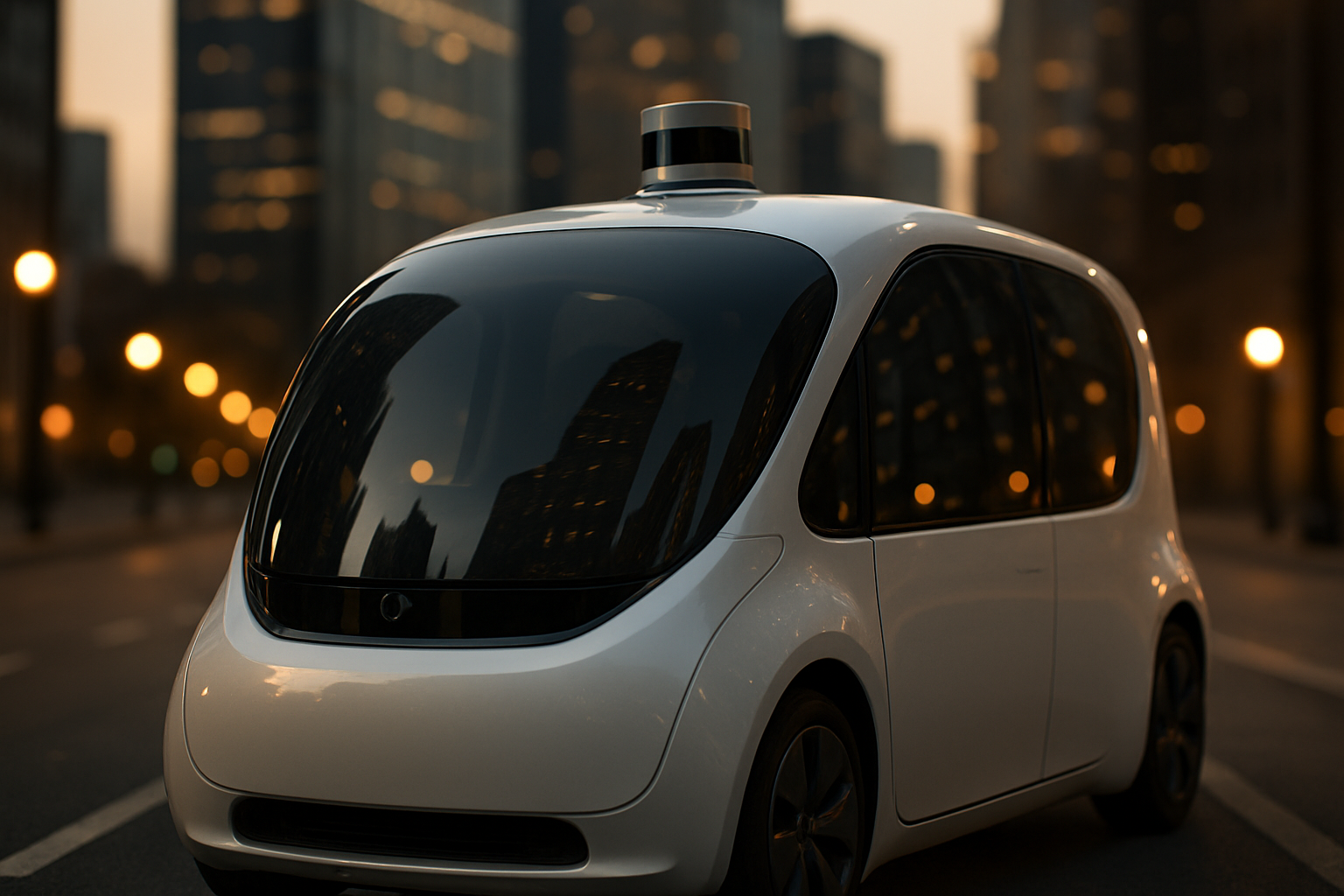
Have you ever wondered what it will feel like to let a self-driving car take you through city streets while you read, relax, or work?
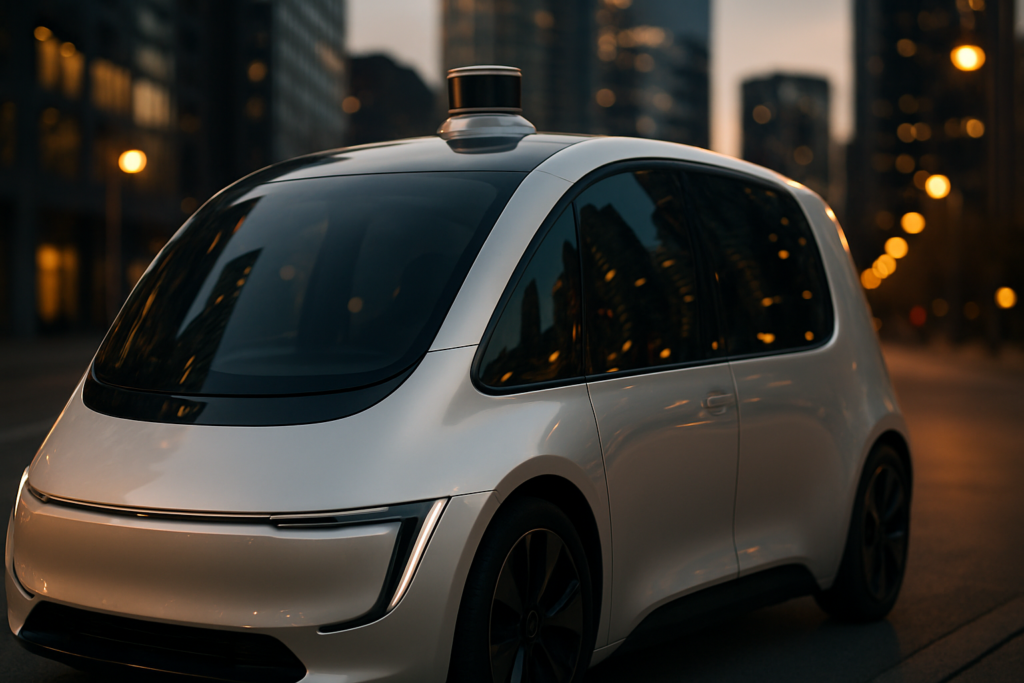
Waymo and the Future of Urban Mobility
This section introduces the main topic and frames what you’ll learn about Waymo’s role in transforming urban transportation. You’ll see how robotaxi services work, why they matter, and what challenges lie ahead for cities, companies, and riders.
What Waymo is and why it matters
Waymo is an autonomous driving technology company that started as Google’s self-driving car project. You should know that Waymo focuses on fully driverless vehicles—robotaxis—that aim to transport people without a human safety driver. This matters because widespread use of robotaxis could reshape how you move, how cities are designed, and how transportation networks operate.
The concept of a robotaxi
A robotaxi is an autonomous, often electric vehicle that provides on-demand rides with no human driver. You’ll experience a new kind of ride—one that blends ride-hailing convenience with automated driving systems. Robotaxis promise different advantages, such as potential cost reductions, increased availability, and new mobility options for people who can’t or prefer not to drive.
How Waymo’s technology works
This section explains the key technical components that make self-driving possible. You’ll gain a practical sense of the sensors, software, and testing approaches that underpin Waymo’s robotaxi operations.
Sensor suite: what the car can “see”
Waymo uses a combination of lidar, radar, cameras, and GPS to perceive the environment. Lidar gives high-resolution 3D mapping, cameras recognize signs and lights, and radar detects objects in poor visibility. Together, these systems let the vehicle understand lanes, pedestrians, cyclists, and other vehicles so you can trust the car to make safe decisions.
Perception and object tracking
Perception algorithms convert raw sensor data into a model of the surrounding world. You should know these systems classify objects, predict their motion, and maintain continuous tracking. This ability is crucial because predicting a pedestrian’s intention or a cyclist’s path helps the vehicle plan safer trajectories for your ride.
Mapping and localization
Waymo combines detailed high-definition (HD) maps with real-time localization so the vehicle knows its precise position on the road. You’ll rely on this capability for accurate maneuvering, especially in complex urban settings where lane markings and topography vary. Precise localization reduces surprises and contributes to smoother navigation.
Planning and decision-making
Once the vehicle knows where it is and what’s around it, planning algorithms decide how to move. Waymo’s planning systems evaluate routes, anticipate hazards, and select maneuvers that prioritize safety and comfort. You’ll notice the car making conservative choices in ambiguous situations, often yielding to minimize risk.
Simulation and testing
Waymo runs millions of simulated miles alongside real-world testing to validate behavior. You should appreciate that simulation allows training on rare or dangerous scenarios that would be impractical to reproduce in public. This dual approach increases the robustness of the driving system before it interacts with you on city streets.
Safety: claims, evidence, and concerns
Safety is a central theme in autonomous vehicle deployment. This section outlines the evidence Waymo provides about its systems and the common safety concerns you might have.
How Waymo measures safety
Waymo reports metrics like disengagement rates (how often a human must intervene during testing) and miles driven without incident. You should understand that fewer disengagements and more autonomous miles suggest improved reliability, but these metrics don’t tell the entire story about real-world risk in mixed traffic.
Real-world incident reporting
Waymo shares incident reports and works with regulators to disclose significant events. You’ll want to compare Waymo’s transparency with other players and ask how incidents were handled, what caused them, and how frequently they occur. Independent monitoring and third-party audits enhance your confidence in safety claims.
Edge cases and rare events
Edge cases—rare or unusual scenarios—pose the biggest challenge for autonomous systems. You should expect Waymo to handle common situations well but remain cautious about rare pedestrian behaviors, complex construction zones, or unpredictable driver actions. Continuous learning and software updates are key to addressing these gaps.
Redundancy and fail-safes
Waymo designs redundancy into critical systems (sensors, compute, braking) so the car can remain safe if one component fails. You’ll be reassured to learn the vehicle can gracefully transition to a safe state if it detects a system fault, potentially stopping or pulling over and informing you about the situation.
Business model and economics
Understanding how Waymo makes money and how robotaxis might change mobility economics helps you think about the service as a rider or planner. This section covers pricing models, partnerships, and market strategies.
Waymo One and service models
Waymo One is the company’s robotaxi service offering on-demand rides in select cities. You should know that Waymo operates both as a ride service provider and a technology supplier to automakers, allowing multiple revenue streams. Pricing often depends on distance, time, and demand—similar to current ride-hailing services.
Cost structure and potential savings
Robotaxis could reduce labor costs by removing drivers, which is a significant portion of current ride-hailing expenses. You’ll want to consider how this might lower fares or change profitability. However, high capital costs for sensors, compute hardware, and fleet maintenance mean savings may be gradual rather than immediate.
Partnerships and vehicle fleet
Waymo partners with automakers and suppliers to scale its fleet and diversify vehicle types. You will see Waymo’s technology in Chrysler Pacifica minivans and Jaguar I-PACE electric SUVs, among others. Collaboration helps Waymo expand geographically and adapt to specific urban needs.
Scaling challenges
Scaling robotaxi fleets requires addressing regulatory approvals, insurance, high-definition mapping for new territories, and operational support. You should expect phased rollouts as Waymo proves reliability across varied urban environments. Rapid scaling without full validation could pose risks, so measured expansion is likely.
Regulatory landscape and public policy
Regulation will shape how, where, and when autonomous vehicles operate. This section explains the current policy environment and how it affects your experience as a passenger or urban resident.
Federal, state, and local roles
In many countries, regulation is layered across federal safety standards, state vehicle codes, and local traffic rules. You’ll need to understand that Waymo negotiates with multiple levels of government to operate robotaxis, and laws may vary significantly from city to city. This patchwork can slow nationwide deployment.
Liability and insurance
One open question is who’s responsible in a crash: the vehicle owner, the manufacturer, or the software provider? You will want clarity on liability because it affects consumer protection and insurance premiums. Regulators and insurers are working to adapt policies for software-driven vehicles, which may change how you file claims in the future.
Accessibility and equity regulations
Policymakers are considering requirements to ensure autonomous services are accessible and equitable. You should expect rules around wheelchair access, service distribution across neighborhoods, and fare pricing to prevent exclusion of low-income communities. Public benefits come when mobility innovations serve broad populations.
Data privacy and cybersecurity regulations
Regulators are increasingly focused on how vehicle data is stored, shared, and protected. You’ll want reassurance that your trip data, biometric inputs, and location history are safeguarded. Cybersecurity standards and privacy regulations will be central to public trust.
Urban planning and infrastructure implications
Robotaxis will affect cities beyond the roadway. This section looks at physical and policy changes that you may see in urban design, curb management, and public transit integration.
Curb space and pick-up/drop-off management
Robotaxis increase demand for curb space, requiring cities to redesign pick-up/drop-off zones. You should anticipate designated curb lanes, dynamic parking allocations, and smart-signage systems to reduce congestion. Well-managed curb space will improve traffic flow and user convenience.
Traffic patterns and congestion
If robotaxis replace personal car trips, congestion could fall—if shared rides are common. However, if they simply add more vehicle miles (e.g., empty repositioning trips), congestion could worsen. You’ll want to watch for policies that encourage ride-pooling and transit-compatible routing to maximize benefits.
Parking and land use
If fewer people own cars, cities could repurpose parking lots for housing, parks, or commercial use. You might see parking minimums relaxed, leading to denser, more pedestrian-friendly urban areas. The timeline for these changes depends on adoption rates and local policy choices.
Public transit integration
Robotaxis can complement public transit by solving “first-mile/last-mile” gaps. You should expect pilot programs that link robotaxi services to transit hubs, reducing the need for private-car ownership while supporting larger transit networks. Successful integration will require fare coordination and shared trip-planning tools.
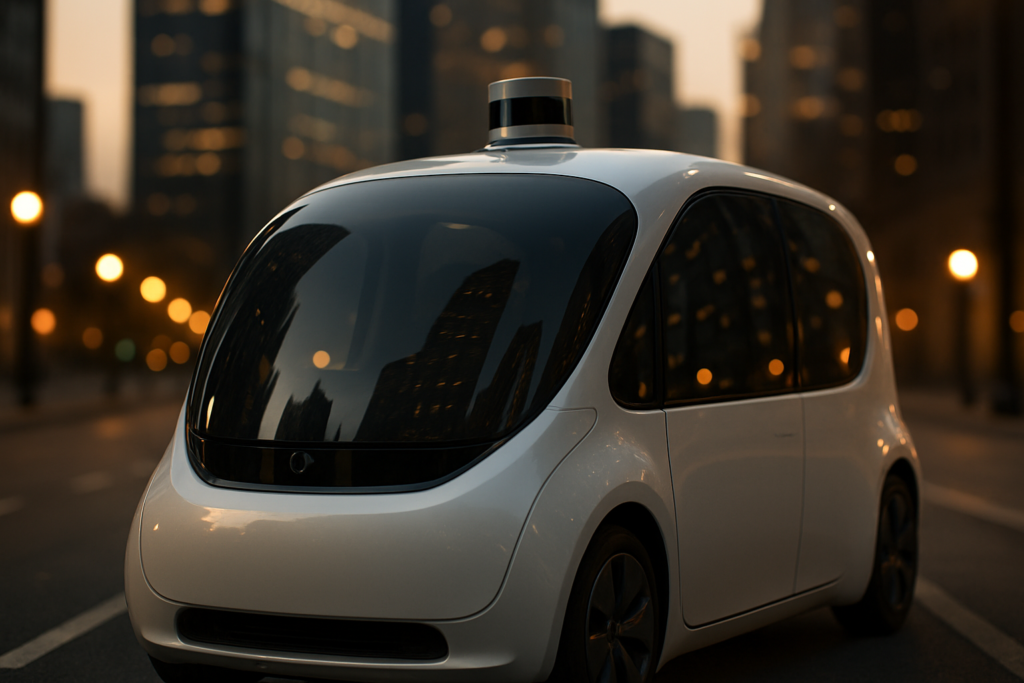
Environmental and social impacts
Understanding environmental and social effects helps you contextualize the broader implications of robotaxis. This section highlights benefits and trade-offs for sustainability and community life.
Emissions and fleet electrification
Many robotaxi fleets use electric vehicles, which reduces tailpipe emissions and can improve urban air quality. You’ll benefit most when the electricity comes from low-carbon sources. To maximize environmental gains, fleets should avoid increased vehicle miles and prioritize shared rides.
Equity and accessibility benefits
Robotaxis offer mobility for people who can’t drive—older adults, people with disabilities, or those without licenses. You should value services that are adaptable (e.g., wheelchair ramps, audio prompts). Ensuring accessible options becomes a social priority as the technology scales.
Employment and workforce shifts
Autonomous vehicles may reduce demand for professional drivers, affecting jobs in ride-hailing and transit. You’ll see calls for workforce transition programs, retraining, and policies to help displaced workers. At the same time, new jobs will emerge in fleet maintenance, software, and infrastructure management.
Urban livability and public space
Reduced car ownership can free up space for pedestrian areas, bike lanes, and public plazas. You should think about how your neighborhood could become calmer and more walkable with fewer private cars. Effective policy will be essential to realize these livability gains.
User experience: what riders can expect
This section covers the practical aspects of using a Waymo robotaxi so you know what to expect during your ride.
Booking and accessibility features
You’ll typically request a ride through an app, similar to other ride-hailing platforms. Waymo’s interface includes accessibility features—audio instructions, simplified pick-up prompts, and assistance for wheelchair users—so your trip can be convenient regardless of mobility needs.
Onboard experience and safety features
Inside a robotaxi, you’ll notice an uncluttered cabin, digital screens for trip info, and real-time trip monitoring. Safety features might include multiple ways to contact support, emergency stop options, and clear guidance for unexpected stops. You should feel informed and able to get help quickly.
Handling disruptions
If the vehicle encounters a situation it can’t resolve, Waymo’s system may safely pull over and call a remote operator. You will be prompted about delays or route changes via the app. Transparency about what’s happening and how long you’ll wait helps reduce anxiety during interruptions.
Fares, pooling, and payment
Fares are generally charged through the app and may offer pooled options to reduce costs. You should check the app for dynamic pricing policies and pooling availability; shared rides make robotaxis more sustainable and affordable.
Comparative analysis: robotaxis vs. traditional ride-hailing and public transit
A concise table helps you compare features and trade-offs so you can understand where robotaxis fit into the mobility ecosystem.
| Feature | Waymo Robotaxi | Traditional Ride-Hailing | Public Transit |
|---|---|---|---|
| Driver | None (fully autonomous) | Human driver | N/A |
| Cost per trip | Potentially lower over time | Variable, driver-dependent | Generally low (subsidized) |
| Availability | Currently limited to service areas | Widely available | Fixed routes/times |
| Accessibility | Improving with design | Varies by driver | Varies; often accessible |
| Environmental impact | Lower if electric & shared | Varies by vehicle | Low per passenger-mile |
| Safety (human error) | Reduced driver-error risk | Driver-related risks | Operator-managed, peer-risks |
| Integration with city planning | Requires new policies | Fits existing systems | Backbone of urban mobility |
You should use this comparison to decide when a robotaxi makes sense for your trip versus other options.
Challenges and criticisms
No technology is without challenges. This section outlines key criticisms you might encounter and how they might be addressed.
Safety perception and trust
Even with good safety records, public trust can lag. You should expect skepticism and the need for transparent reporting, independent evaluations, and visible safety measures to win rider confidence.
Ethical decision-making
Autonomous vehicles face complex ethical choices in extreme scenarios. You’ll encounter debates about how software prioritizes outcomes during unavoidable collisions. Clear ethical guidelines and public input will be essential to align behavior with societal values.
Data privacy and surveillance concerns
Robotaxis collect extensive sensor and trip data, raising worries about location tracking and video recording. You should advocate for strong privacy controls, data minimization, and clear rules on data access and retention.
Economic displacement
Workers in driving professions face job threats. You may support policies for retraining, wage support, and new employment pathways to mitigate social harm. Balancing innovation with worker protections will be a key policy challenge.
Timeline and likely adoption scenarios
Predicting exact timelines is difficult, but you can consider plausible adoption pathways and milestones.
Short-term (1–3 years)
Expect incremental expansion of robotaxi services in limited, mapped urban areas. You’ll see pilot programs, tighter safety reporting, and expanding partnerships with cities and transit agencies. Early adopters will be concentrated in tech-forward regions.
Medium-term (3–7 years)
Robotaxi fleets could grow substantially in multiple cities as regulations adapt and costs decline. You should see improved ride-sharing features, broader accessibility, and stronger ties to public transit. Cities may begin repurposing curb space and parking policies.
Long-term (7–15+ years)
If adoption accelerates, you might live in cities with significant reductions in private car ownership and redesigned urban spaces. Widespread fleet electrification and optimized shared mobility could reduce emissions and improve livability—if policy choices and business models align to that outcome.
Below is a simple timeline table summarizing these milestones.
| Timeframe | Key developments |
|---|---|
| 1–3 years | Pilot services, limited cities, regulatory engagement |
| 3–7 years | Fleet scaling, expanded service areas, transit integration |
| 7–15+ years | Potential mass adoption, urban redesign, reduced private ownership |
You should view this timeline as contingent on regulation, public acceptance, and continued technological progress.
Recommendations for riders and city planners
Practical advice helps you prepare to use robotaxi services and for cities to get ready.
For riders
- Try a pilot service to gain firsthand experience and give feedback.
- Check safety features and incident response protocols in the app.
- Consider pooled rides to save money and reduce environmental impact.
- Protect your privacy by reviewing data and sharing settings in the app.
These steps help you make informed choices and contribute to safer deployments.
For city planners and policymakers
- Update curb-management rules and consider dynamic pricing for curb space.
- Coordinate with transit agencies to integrate services rather than replace them.
- Enforce accessibility and equity standards to prevent mobility deserts.
- Set data-sharing protocols and privacy protections to enable planning while protecting residents.
Acting proactively helps cities harness benefits while managing risks.
Frequently asked questions (FAQ)
This section answers common questions you might have about Waymo and robotaxis.
Will robotaxis be safer than human drivers?
You should expect robotaxis to reduce certain human-driven errors like distraction or impairment. However, the technology must be rigorously tested across edge cases, and continuous updates will be necessary to approach consistently higher safety levels.
How much will a robotaxi ride cost?
Costs vary by city, distance, and demand. You can generally expect competitive pricing over time as operational efficiencies improve, especially if rides are pooled and vehicles are electric.
Can robotaxis operate in bad weather?
Weather like heavy snow, fog, or icy conditions challenges sensors and road traction. You should expect operational limits or reduced service during severe weather until sensor and software robustness increases.
Will robotaxis be accessible for people with disabilities?
Accessibility is a priority for many operators. You should look for services that include wheelchair access, audio cues, and front-door drop-offs. Advocacy and regulation will shape the standard for accessibility across providers.
What happens if there’s an emergency inside the vehicle?
Robotaxis typically provide direct contact with remote operators and emergency protocols. You should be able to alert support through the app or onboard interfaces, and vehicles are designed to enter safe states if needed.
Final thoughts
As you consider the future of urban mobility, Waymo’s robotaxis represent both promise and complexity. You’ll see opportunities to reduce emissions, expand mobility access, and improve urban design, but realizing those benefits requires thoughtful regulation, equitable planning, and continued technological maturity. By staying informed, participating in pilot programs, and advocating for inclusive policies, you can play a role in shaping a safer and more sustainable mobility future.