
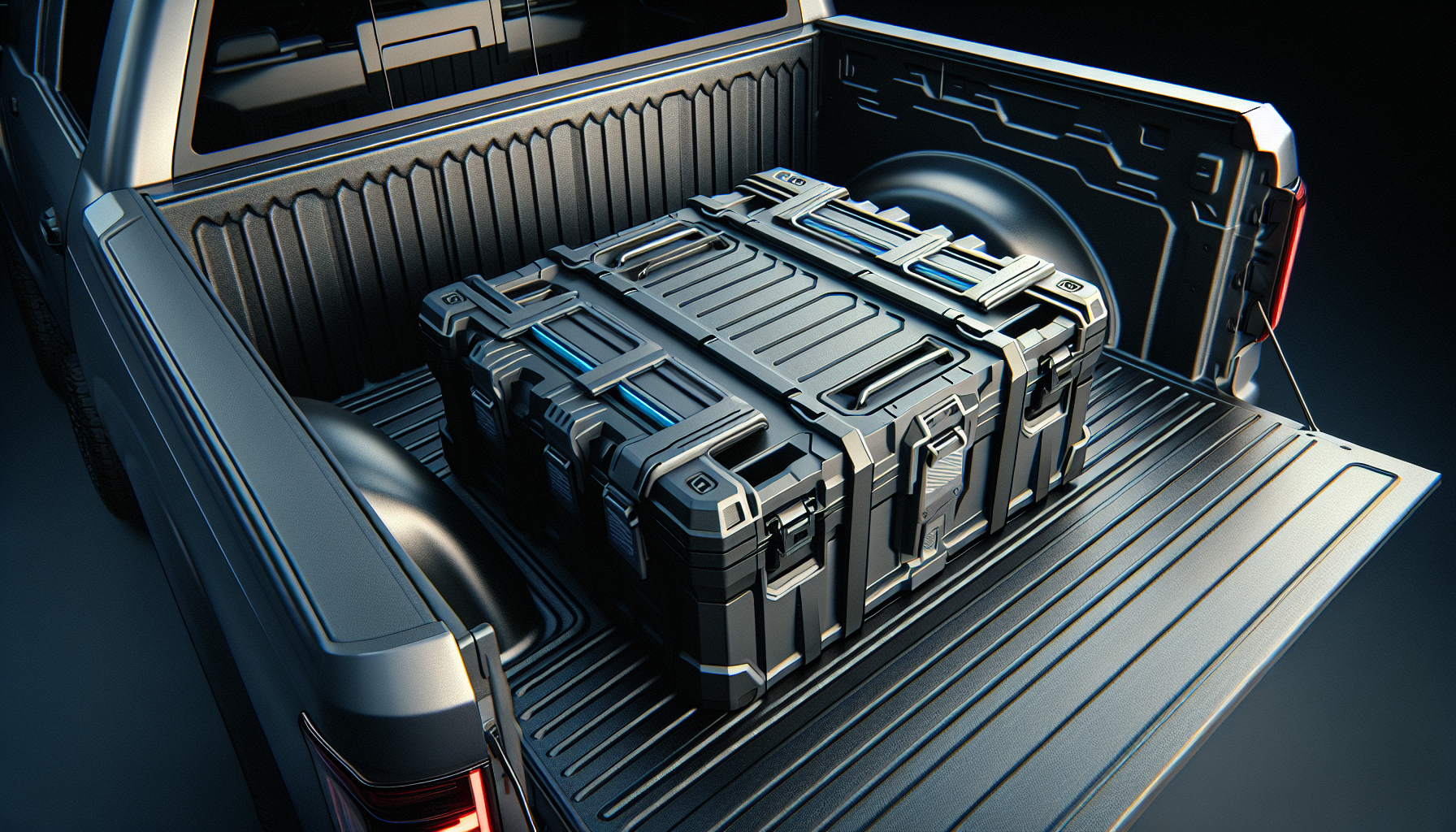
?Want to turn your Cybertruck trunk into a highly functional, tidy space that works for your lifestyle?
Cybertruck Trunk Organization Tips
You’ll find practical strategies here to make the most of your Cybertruck trunk space, whether you carry camping gear, tools, groceries, or daily items. These tips are tailored to the Cybertruck’s unique design and will help you maximize usability, accessibility, and safety.
Why organizing your Cybertruck trunk matters
An organized trunk saves time, reduces stress, and protects your cargo and vehicle interior from damage. You’ll also improve load distribution and safety during drives by preventing shifting items and maintaining clear access to essentials.
What makes the Cybertruck trunk unique
The Cybertruck offers a vault-style bed and a frunk depending on configuration, with a flat, utilitarian floor and integrated tie-down points. You’ll need solutions that respect the angular geometry, stainless-steel surfaces, and unique latch systems while taking advantage of its large volume.
Planning and measuring before you buy anything
You’ll avoid expensive mistakes by measuring and planning before purchasing organizers or installing modifications. Accurate measurements and a clear use plan ensure that storage solutions fit and function as you expect.
How to measure your trunk correctly
Measure overall length, width, and height at multiple points including near the wheel wells and the bulkhead to account for variations in width. Also measure the opening size, hinge clearance, and any protrusions so installed items won’t interfere with lid operation.
Create a use-case inventory for your trunk
List everything you regularly put in your Cybertruck trunk: tools, first aid, groceries, sports equipment, camping gear, and emergency supplies. Prioritize items by frequency of use and fragility to decide which should be most accessible.
Sketching layouts and zones
Sketch a simple top-down layout of the trunk with dimensions and designated zones for frequently used categories. You’ll be able to visualize where bins, tie-downs, and drawers should go and how items will flow when you load and unload.
Core organizational strategies
These strategies help you think in terms of zones, containment, and accessibility so your trunk remains tidy and efficient. You’ll be more consistent in keeping things organized if you choose a clear system and stick to it.
Zone-based organization
Divide the trunk into functional zones: heavy gear at the front (near the cab), frequently used items at the rear, fragile items in padded zones, and emergency kit in a dedicated space. This approach reduces the need to dig through everything when you need something quick.
Use containers and modular systems
Containers and modular systems create order and protect items from moving around, and they’re easy to remove and bring into your home. Choose stackable bins, soft-sided totes, or modular drawers based on what you carry most.
Keep a rolling checklist for rotation
Maintain a checklist of seasonal or occasional items to rotate in and out of the trunk, such as winter chains, seasonal sports gear, or holiday supplies. You’ll prevent accumulation of unused items and reduce unnecessary weight.
Storage solutions that work well in the Cybertruck trunk
There are many organizer types to choose from; you’ll want a mix that fits your cargo habits and the Cybertruck’s geometry. Below are common solutions and how they apply to the Cybertruck.
Stackable plastic bins
Stackable bins are durable, easy to clean, and great for groceries, tools, and medium-sized gear. You’ll want bins with secure lids and sizes that fit the trunk’s height to avoid wasted vertical space.
Soft-sided collapsible totes
Soft totes are lightweight and flexible; they’re excellent for groceries or items you carry in and out frequently. These totes collapse when not in use, helping you reclaim space.
Heavy-duty drawer systems
Drawer systems provide secure, organized storage for tools and smaller items, and they make accessing contents straightforward. You’ll find options that bolt to the bed floor or sit on a sliding track for smoother operation.
Cargo nets and dividers
Cargo nets and adjustable dividers keep smaller items from sliding around and can be repositioned to match your cargo layout. You’ll appreciate them for separating fragile items or keeping bags upright.
Custom-fit trunk organizers
Custom-fit organizers are tailored to vehicle dimensions and features, providing a polished, integrated solution. You’ll pay more, but you’ll often gain better fit, finish, and long-term usability.
Fold-out tables and utility panels
Utility panels with fold-out tables or integrated tool mounts add functionality for work or camping setups. You’ll get a workstation without compromising storage if you pick a compact, well-mounted solution.
Recommended products and comparisons
Below is a comparison table of common organizer types and their best-use scenarios to help you decide what to buy. You’ll be able to quickly match solutions to your needs.
| Organizer Type | Best For | Pros | Cons |
|---|---|---|---|
| Stackable Plastic Bins | Groceries, tools, camping gear | Durable, easy to clean, inexpensive | Can be heavy, may not use vertical space efficiently |
| Soft-sided Collapsible Totes | Groceries, retail shopping, soft gear | Lightweight, collapsible, portable | Less protective for fragile items |
| Heavy-duty Drawer System | Tools, small parts, secure storage | Easy access, organized, secure | Higher cost, more complex install |
| Cargo Nets/Dividers | Preventing movement, lightweight items | Flexible, low cost, easy to reposition | Limited protection for heavy items |
| Custom-fit Organizer | Seamless appearance, precision fit | Best fit, optimized use of space | Most expensive, less flexible for changing needs |
How to choose the right combination
Assess how often you access items, weight and fragility, and whether you need permanent or flexible solutions. You’ll often get the best results by combining a drawer system for tools, bins for bulk items, and soft totes for groceries.
Installation tips and best practices
Proper installation ensures your organizers last and don’t interfere with the Cybertruck’s functionality. You’ll also maintain safety standards and avoid voiding warranties by using recommended mounting methods.
Use existing tie-downs and anchor points
Utilize the Cybertruck’s integrated tie-down points to secure storage units and prevent shifting. You’ll reduce stress on mounts and maintain vehicle integrity by anchoring to designed points.
Fastening methods and hardware
Use stainless steel or coated hardware to resist corrosion against the Cybertruck’s stainless-steel surfaces. You’ll want bolts, toggles, and rivets sized appropriately; consider thread-lock or lock washers for vibration resistance.
Avoid drilling into structural parts
Minimize drilling into structural parts or the inner shell; instead, bolt to factory points or use clamping systems. You’ll prevent weakening structural components and keep future resale value higher.
Test loads and adjust
After installation, test with representative loads and drive on varied surfaces to observe any movement or rattles. You’ll be able to tighten fasteners, reposition items, or add padding where needed.
DIY organization projects
If you like hands-on solutions, many DIY projects fit the Cybertruck trunk nicely and let you customize to your exact needs. You’ll save money and get a tailored setup when you plan and use quality materials.
DIY sliding drawer build
A basic sliding drawer uses plywood or composite panels, drawer slides rated for load, and anchor points to the bed floor. You’ll measure twice, cut once, and add soft-close or locking mechanisms for convenience.
Custom foam inserts and dividers
Create custom foam or padded inserts to organize delicate items like cameras, electronics, or glassware. You’ll use a removable foam tray that conforms to shapes and can be swapped out seasonally.
Weatherproofed storage boxes
Seal wooden or composite boxes with marine-grade coatings to protect stored items from moisture and corrosion. You’ll add gasketed lids and compression latches to keep water and dust out.
Security and theft prevention
Security is important, since the Cybertruck trunk may hold valuable tools and gear. You’ll want to balance accessibility with protection against opportunistic theft.
Locking storage and concealed compartments
Choose lockable drawers or install concealed compartments for high-value items like power tools and electronics. You’ll want quick-release or keyed access to ensure you can reach essentials fast while keeping them secure.
Alarm integration and monitoring
Consider integrating storage solutions with your vehicle’s alarm or adding motion sensors for the trunk area. You’ll be alerted to tampering and can pair alerts with your smartphone for remote monitoring.
Mark and register valuables
Engrave or register serial numbers on valuable gear and keep a list of contents, photos, and purchase receipts. You’ll increase recovery chances and speed up insurance claims if items are stolen.
Managing weight and load distribution
Heavy loads affect handling and braking, and you’ll need to place items smartly to maintain vehicle balance. Correct distribution improves safety and reduces wear on suspension components.
Center of gravity considerations
Place heavy items low and near the centerline of the vehicle to reduce rollover risk and improve stability. You’ll keep lighter items at the edges and top to minimize shifting.
Front-rear balance
Avoid concentrating all weight at the rear; distribute heavier items toward the front of the trunk when possible to maintain balanced handling. You’ll also be less likely to overload rear suspension and avoid sag.
Keep within payload ratings
Always verify the Cybertruck’s payload rating and sum the weights of passengers and cargo before loading. You’ll prevent overloading which can compromise braking, steering, and legal liability.
Seasonal adjustments and weatherproofing
Your trunk use will change with seasons, and you’ll want weatherproofing to protect cargo from moisture, dust, and extreme temperatures. Proper planning keeps your gear functional year-round.
Winter gear and snow considerations
Store traction aids, a small shovel, warm blankets, and de-icer in a designated winter bin to be ready for snowy conditions. You’ll also use waterproof containers and moisture-absorbing desiccants to prevent rust.
Summer and adventure gear
Keep sun-protective covers, extra water, and ventilated storage for items that might be damaged by heat. You’ll secure coolers and use reflective covers to limit heat buildup in the trunk.
Wet-weather protection
Use rubberized liners or waterproof storage boxes for anything prone to moisture damage. You’ll protect the Cybertruck’s stainless surfaces and electrical components by preventing prolonged exposure to water.
Lighting and power solutions
Good lighting and accessible power outlets make your trunk far more usable for night-time work and charging devices. You’ll be able to find items faster and power tools or coolers directly from the trunk area.
Install LED strip or puck lighting
LED strips or puck lights mounted under the lid or along the sides provide bright, efficient illumination. You’ll want lights that are vibration-resistant and have a waterproof rating for durability.
Portable power stations and hardwired outlets
Portable power stations give you versatility for tailgating or work at remote sites, while a hardwired 12V or 110V outlet offers more permanent power. You’ll consider solar-compatible options if you need extended off-grid capability.
Cable management for charging
Use cable organizers or retractable reels to keep power cords tidy and prevent tripping or damage. You’ll label cords and keep adapters in a dedicated spot for quick access.
Cleaning and maintenance routines
A regular cleaning schedule will keep your trunk functional and looking good, and a small maintenance routine prevents bigger problems later. You’ll save time and money by addressing dirt, spills, and corrosion early.
Quick daily checks
Do a brief check after trips to remove trash, dirt, and wet items that could cause odors or corrosion. You’ll keep a small trash bag or storage bin handy to simplify the process.
Monthly deep clean and inspection
Empty the trunk monthly, vacuum, wipe down surfaces with appropriate cleaners, and inspect fasteners, seals, and mounts. You’ll catch loose hardware, wear, or corrosion before it becomes a bigger issue.
Long-term maintenance for drawers and slides
Lubricate drawer slides, check fasteners, and replace worn seals to keep moving parts functioning smoothly. You’ll prevent binding and extend the life of your storage system.
Emergency kit and essentials
A well-stocked emergency kit in your trunk can be a lifesaver during breakdowns or severe weather. You’ll want both vehicle-specific items and personal survival gear.
Vehicle-focused emergency gear
Include jumper cables, tire repair kit, compact air compressor, tow strap, and basic tools in a secure, accessible container. You’ll also store a reflective triangle and high-visibility vest for roadside safety.
Personal survival items
Pack water, nonperishable snacks, thermal blankets, a first-aid kit, a multi-tool, and a flashlight or headlamp. You’ll rotate consumables periodically and check batteries on lights.
Communication and power backup
Keep a portable power bank, hand-crank radio, and a written copy of emergency numbers and vehicle documentation. You’ll ensure communication means if your phone battery dies or cellular coverage is spotty.
Cargo-specific tips: groceries, sports gear, and tools
Different cargo types call for tailored solutions so items stay intact and ready to use. You’ll get better longevity from your gear and a less chaotic trunk.
Grocery organization
Use soft totes or small bins with nonslip liners to keep groceries upright and prevent spills. You’ll place cold items near the front for quicker unloading and consider insulated totes for perishables.
Sports and outdoor gear
Use breathable bags for damp gear or add ventilation to storage bins to prevent mildew. You’ll keep sharp items sheathed or boxed to avoid punctures and protect liners.
Tools and hardware storage
Modular tool drawers and labeled bins for hardware sizes give you quick retrieval and security. You’ll anchor heavy toolboxes and use foam inserts to keep tools from shifting.
Cost considerations and budgeting
Plan your budget based on permanent versus temporary solutions and prioritize must-haves first. You’ll often spend more on custom or hard-mounted systems but gain durability and a cleaner look.
Budget-friendly options
Stackable bins, cargo nets, and soft totes provide high utility for low cost and are great starting points. You’ll upgrade piece-by-piece as needs evolve.
Mid-range systems
Modular drawer units and higher-quality soft organizers offer improved function without full custom installation. You’ll find good value in systems that can be repurposed if you change vehicles.
High-end custom installations
Custom-fit drawers, lockable compartments, and integrated power systems provide the best fit and finish but come with a higher price. You’ll consider these if you use your Cybertruck for professional work or carry high-value items regularly.
Troubleshooting common problems
You’ll run into a few recurring issues in trunk organization, and proactive fixes will keep your setup working smoothly. Diagnosing problems early reduces frustration and downtime.
Items slipping or shifting despite tie-downs
If items still shift, add nonslip liners, friction mats, or additional tie-down points and straps. You’ll also re-evaluate the placement: heavier items should be anchored lower and toward the center.
Rattles and noises from mounts
Identify the source by removing sections and driving at low speed; tighten fasteners and add rubber or foam pads at contact points. You’ll prevent metal-on-metal contact that creates noise and wear.
Drawer binding or sticking
Check alignment of drawer slides and remove debris or corrosion; lubricate slides with a silicone-based lubricant. You’ll also confirm that sliding tracks are supported along their length to prevent sagging.
Example layouts and configurations
Seeing practical examples helps you adapt ideas to your own needs, so here are a few arrangements based on common user profiles. You’ll be able to copy and tweak these layouts to fit your routine.
Weekend camper setup
Front area: heavy gear (stove, water jugs) secured low; center: modular drawers with cooking utensils and tools; rear: soft totes for clothes and sleeping bags. You’ll add a fold-out panel on one side for a prep table and keep emergency kit accessible.
Contractor/professional setup
Front: lockable heavy-duty drawer with frequently used tools; center: labeled bins for fasteners and parts; rear: larger tool chest or storage for power tools with a battery charging station. You’ll keep an inventory list and secure permit-required items.
Urban daily commuter
Front: slim drawer for emergency kit and small tools; center: groceries and gym bag in soft totes; rear: collapsible organizer for random items and a small vacuum for quick cleanups. You’ll prioritize quick-access items near the trunk opening.
Final checklist before you hit the road
A pre-departure checklist helps you confirm everything is secured and ready without second-guessing. You’ll feel confident your trunk setup is safe and efficient when you leave.
- Verify heavy items are anchored and low in the trunk.
- Confirm drawers and lids are latched and locked.
- Check lights and power outlets are functioning.
- Ensure emergency kit and essentials are accessible.
- Glance at the inventory list and remove unnecessary items.
Summary and next steps
You now have a comprehensive set of strategies to organize your Cybertruck trunk effectively, covering measurement, product choices, installation, maintenance, and security. You’ll get the best long-term result by planning, using a mix of containment systems, maintaining regular cleaning, and periodically reassessing your needs.
If you want, you can now list the primary items you carry and your preferred organizer budget, and you’ll get a suggested tailored layout and product list to implement right away.