
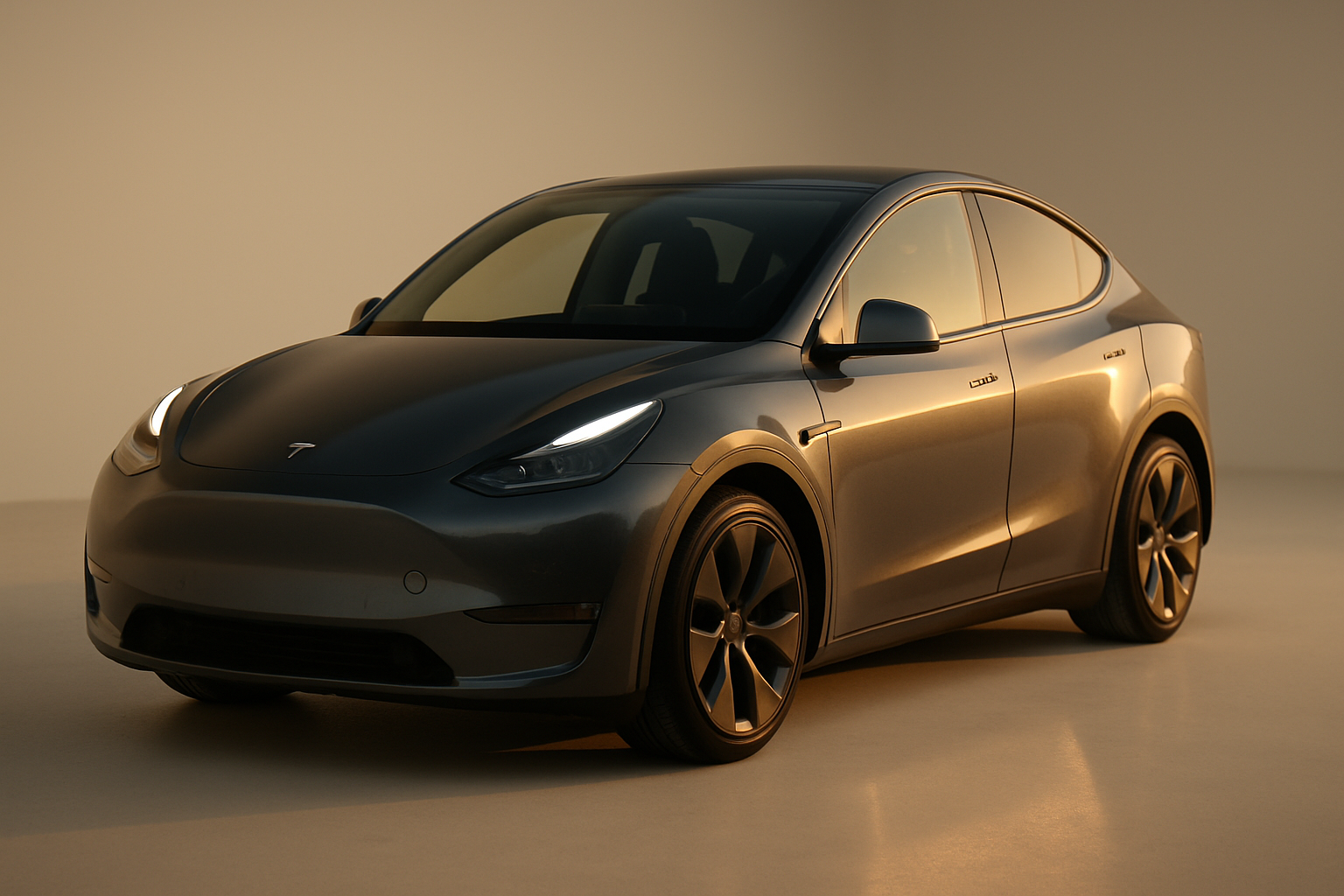
? Are you ready to understand what owning a Tesla Model Y will really be like and how to make the most of it?

Tesla Model Y Ownership Guide
This guide covers everything you need to know about owning a Tesla Model Y, written for you in practical, friendly language. You’ll find specifications, buying considerations, charging and maintenance information, software features, safety guidance, cost expectations, seasonal tips, and ownership strategies to keep your experience smooth and satisfying.
What the Model Y is and who it’s for
The Tesla Model Y is a compact all-electric SUV that blends practicality with performance. You’ll appreciate the roomy interior, available third-row seating (in some versions), and Tesla’s signature tech-focused experience if you want a versatile EV for daily life and longer trips.
Trim options and key specifications
Choosing the right trim affects price, range, performance, and features. You’ll want to weigh what matters most: range vs acceleration vs cost.
Trim comparison at a glance
The table below summarizes the most common Model Y configurations historically available. Specific availability may change by market and model year, so verify current options when you buy.
| Trim / Version | Typical Range (EPA est.) | 0–60 mph (approx.) | Drive | Key Notes |
|---|---|---|---|---|
| Long Range | ~300+ miles | ~4.8 sec | Dual Motor AWD | Best balance of range and cost for most drivers |
| Performance | ~280 miles | ~3.5 sec | Dual Motor AWD | Sportier handling, higher top speed, performance brakes, larger wheels |
| Standard Range / Rear-Wheel Drive (if offered) | ~220–260 miles | ~5.5–6.0 sec | RWD | Lower cost, less range; good for city drivers |
You’ll want to consider how you use the car daily and whether you frequently take long trips. Range and charging convenience will inform your choice.
What determines range and efficiency
Range can vary with temperature, driving style, wheel size, and load. You’ll get better efficiency with smaller wheels, conservative speeds, and moderate cabin heating or cooling. Software updates can also slightly change range estimates and efficiency over time.
Buying: new vs used
Deciding between a new or used Model Y affects warranty, price, and expected service history. You’ll want to evaluate your priorities for cost savings versus newer features and remaining warranty.
Buying new
When you buy new, you’ll receive the full factory warranty, the latest hardware and software baseline, and a clean vehicle history. You’ll also have access to Tesla purchase incentives or promotions when they are available in your region.
Buying used
Buying used often saves you money upfront. You should check battery health, software/hardware versions (Autopilot/FSD capabilities vary), and get a vehicle history report. Certified Pre-Owned Teslas (if available in your market) include limited inspection and warranty coverage.
Inspection checklist for a used Model Y
- Battery health and estimated range compared to original specs
- Vehicle history for accidents and repairs
- Tire condition and wheel alignment
- Presence and functionality of driver assistance packages (Autopilot/FSD)
- Firmware version and software entitlements
- Physical condition of glass, body, and interior
You’ll want to ask the seller about charging habits—regular use of Superchargers vs home charging affects battery wear differently.
Charging: how to charge, where, and costs
Charging is central to owning a Model Y. You’ll want to understand home charging setup, public charging options, Superchargers, and charging cost expectations.
Home charging setup
Most owners install an AC Level 2 charger at home to charge overnight. A typical home setup is a 240V outlet (NEMA 14-50) or a hardwired wall charger (Tesla Wall Connector). Installations usually require an electrician and potentially a service panel upgrade.
Public charging and networks
You’ll use a mix of Tesla Superchargers and public Level 2 or DC fast chargers from third-party networks. The Tesla ecosystem is expanding compatibility with non-Tesla chargers in many regions, and adapters are sometimes necessary.
Charging speed overview
Charging speeds depend on charger type, battery state of charge (SoC), and temperature. The table below gives typical charging times for a Model Y under common scenarios.
| Charger Type | Power (kW) | Typical Charging Speed | Time to add ~200 miles |
|---|---|---|---|
| Level 1 (120V) | ~1–1.5 kW | Very slow | >50 hours |
| Level 2 (240V, 7–11 kW) | ~7–11 kW | Overnight charging | 18–30 hours |
| Tesla Destination Chargers | ~11 kW | Useful for hotels/restaurants | 18–25 hours |
| DC Fast Charger (50–100 kW) | ~50–100 kW | Fast | 1.5–4 hours |
| Tesla Supercharger V2/V3 | ~150–250+ kW | Very fast | 20–45 minutes for 10–80% (varies) |
You’ll usually charge at home overnight for daily driving and use Superchargers for road trips to minimize stop time.
Best charging practices
- Charge to about 80–90% for daily use to preserve battery longevity; charge to 100% when you need full range for a trip.
- Avoid frequent deep discharges to near 0%.
- Precondition the battery before fast charging in cold weather to improve charging speed.
- Use scheduled charging and time-of-use electricity rates to minimize cost.
You’ll notice Tesla’s in-car navigation plans charging stops and preconditions the battery when you set a long trip, improving charging efficiency and comfort.
Cost of ownership
Owning a Model Y involves upfront cost, energy costs, insurance, maintenance, and potential incentives. You’ll want to budget for these over time.
Purchase price and incentives
Your purchase price varies by trim, options, region, and incentives. In many markets, government incentives, rebates, or tax credits are available for EVs; these change frequently, so check current eligibility.
Energy cost comparison
Electricity cost per mile typically is lower than gasoline cost per mile. Your actual cost depends on local electricity rates, whether you charge at home or on public chargers, and how often you use fast chargers with variable pricing.
Estimated yearly ownership costs (example)
| Cost Category | Estimated Annual Cost (USD) | Notes |
|---|---|---|
| Electricity | $400–$800 | Based on 12,000–15,000 miles/year and $0.12–$0.20/kWh |
| Insurance | $1,200–$2,000 | Varies by driver, location, and coverage |
| Maintenance & Repairs | $300–$800 | EVs have fewer routine services but watch tires, brakes, cabin filters |
| Registration & Taxes | Varies | Dependent on jurisdiction |
| Charging fees (public/Superchargers) | $100–$500 | If you primarily use home charging, public costs are lower |
You’ll save on oil changes and many ICE-specific services, but battery and electronic-related repairs can be expensive out of warranty.
Maintenance and service
Tesla requires less routine maintenance than combustion vehicles, but you’ll still need periodic checks and replacements. You’ll want to stay proactive to avoid unexpected issues.
Routine maintenance checklist
- Tire rotation and alignment: every 6,000–10,000 miles.
- Brake fluid check: Tesla suggests regular intervals depending on driving conditions.
- Cabin air filter: replace annually or every 2 years depending on use.
- High-efficiency particulate (HEPA) filter (if equipped): replace per Tesla recommendations.
- Coolant inspection for battery thermal system: follow Tesla schedule.
- Wiper blades, windshield care, and door seal lubrication as needed.
Maintenance schedule (example)
| Service | Frequency |
|---|---|
| Tire rotation | Every 6,000–10,000 miles |
| Wheel alignment | Annual or after hitting potholes |
| Cabin air filter | Every 1–2 years |
| Brake checks | Annually or per symptoms |
| Battery coolant inspection | As per Tesla service schedule (approx. every few years) |
You’ll use Tesla Service Centers or mobile service for most repairs. Mobile service can handle many common tasks at your location.
Warranty coverage
Tesla typically offers a limited vehicle warranty and a separate battery and drive unit warranty. The battery warranty period depends on the model year and market (commonly 8 years with varying mileage limits). You’ll want to verify exact terms on Tesla’s official warranty pages.
Software, updates, and infotainment
One of the biggest differences with a Tesla is that many features are delivered and improved via over-the-air (OTA) updates. You’ll benefit from new features and refinements without visiting a service center.
Over-the-air updates
Tesla provides regular updates that can change UI elements, add features, and improve efficiency or range. You’ll receive a notification when updates are available and can schedule installation to suit your routine.
Infotainment and apps
The Model Y’s central touchscreen is the primary control interface for nearly every function. You’ll use the Tesla mobile app to lock/unlock, precondition the vehicle, monitor charging, and view location or trip data. Features such as Spotify, streaming services, and in-car games are integrated for convenience.
Autopilot, Full Self-Driving (FSD), and driver assistance
Tesla’s Autopilot system offers driver assistance features that can steer, accelerate, and brake within lanes or on highways. FSD (if purchased) adds more advanced automated driving capabilities in supported conditions, but it does not make the car fully autonomous. You’ll need to keep your hands on the wheel and remain attentive at all times.
- Autopilot: includes adaptive cruise control and lane-centering for highway driving.
- FSD (optional): claims more automated maneuvers like city street driving and automatic lane changes where supported; regulatory approvals vary by region.
You’ll want to be aware of legal and safety considerations and follow Tesla’s guidance on proper use.
Safety features and crash ratings
Safety is a key strength of the Model Y, with strong crash test ratings and active safety systems. You’ll benefit from advanced sensors, a low center of gravity, and driver assistance tech.
Active and passive safety
- Structural design: battery pack placement lowers center of gravity, reducing rollover risk.
- Airbags and occupant protection: multiple airbags and a rigid passenger compartment.
- Active safety systems: automatic emergency braking, collision warnings, lane departure avoidance.
Many Model Y variants have earned top safety ratings from agencies like NHTSA and IIHS. You’ll still need to drive responsibly and keep safety features properly calibrated.
Winter and summer driving tips
Climate affects range, charging speed, and comfort. You’ll want to adapt habits for cold winters and hot summers to preserve range and battery health.
Winter tips
- Precondition the battery and cabin while plugged in to minimize range loss.
- Use scheduled charging so the battery warms before driving.
- Keep tires properly inflated and consider winter tires for improved grip.
- Expect slower DC fast charging and somewhat reduced range in very cold temperatures.
Summer tips
- Park in shade or use a car cover to lower cabin heat.
- Use preconditioning while plugged in to cool the cabin without draining the battery.
- High temperatures can affect battery longevity if the thermal system is overworked; avoid leaving the vehicle in extreme heat unduly.
You’ll notice Tesla’s thermal management system mitigates many extremes, but behavior and planning still matter.
Insurance considerations
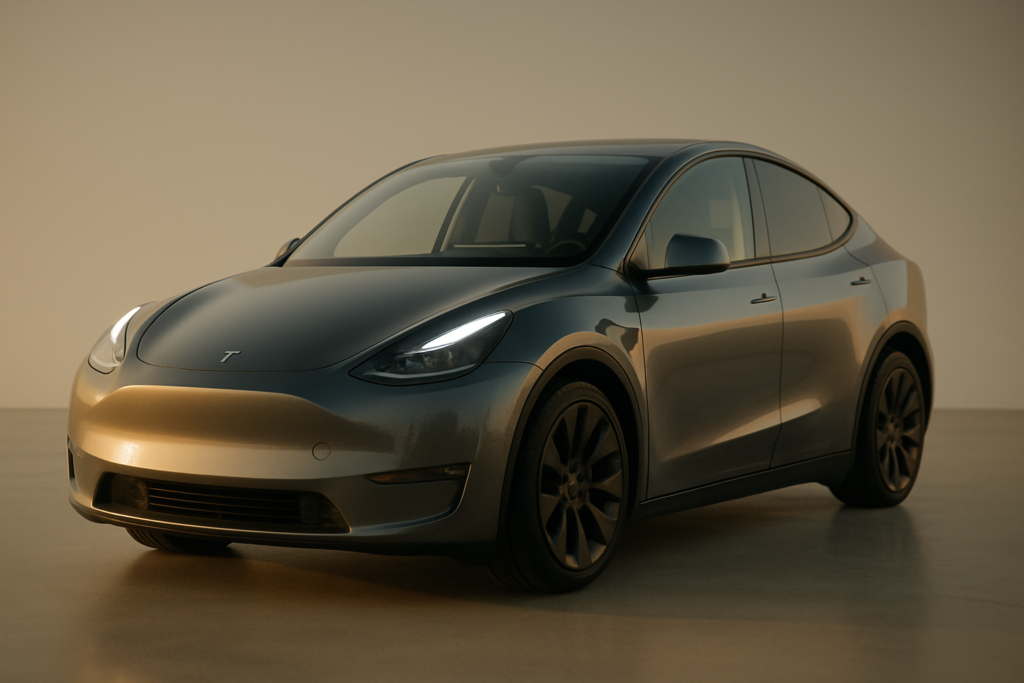
Insuring a Model Y can be more expensive than a comparable ICE vehicle due to repair costs and parts. You’ll want to compare insurers and consider Tesla Insurance if available in your market.
Factors affecting insurance cost
- Repair costs for body and electronics.
- Driver history and location.
- Autopilot and safety feature usage (may affect premiums in some insurers).
- Model Y’s performance variant or modified vehicles can increase rates.
You’ll reduce costs by shopping around, asking insurers about EV discounts, and maintaining a clean driving record.
Common issues and troubleshooting
Most owners experience a smooth ownership experience, but some common issues can occur. You’ll want to know how to diagnose simple problems and when to contact service.
Typical minor issues
- Software bugs: often resolved by updates or reboots.
- Charging connector or adapter complaints: ensure connectors are clean and properly latched.
- Wind noise or trim rattles, especially early production runs: may require service adjustment.
- Regenerative braking feel: can take time to get used to, but settings can be adjusted.
Basic troubleshooting steps
- Reboot the touchscreen or power cycle the car for software anomalies.
- Check mobile app status and charging session history for connection problems.
- Inspect charging equipment for damage and clean connectors.
- Contact Tesla support for remote diagnostics if the onboard system shows warnings.
You’ll find many community forums and official resources helpful, but always prioritize official service for complex issues.
Accessories and customization
You can personalize your Model Y with accessories to improve utility, comfort, and protection. You’ll want products that match your lifestyle and preserve resale value.
Popular accessory categories
- All-weather floor mats and cargo liners to protect interiors.
- Roof racks, bike mounts, and trailers for extra hauling capacity.
- Center console organizers and screen protectors for convenience and protection.
- Tire pressure monitoring sensors and performance brakes for track use.
Choose OEM or high-quality aftermarket parts to ensure fit and avoid warranty conflicts.
Resale value and depreciation
The Model Y tends to retain value relatively well among EVs, driven by high demand and Tesla’s brand recognition. You’ll still see depreciation influenced by mileage, battery health, and market shifts.
Maximizing resale value
- Keep service records and maintain battery/cooling systems.
- Avoid excessive physical wear and document any repairs.
- Keep software updates current and preserve original equipment.
- Consider timing your sale for higher demand periods and before significant new model revisions.
You’ll often get better resale returns by selling privately or through channels that understand EV value.
Buying tips and negotiation
Purchasing a Model Y from Tesla vs private seller or dealer affects price and options. You’ll want to handle negotiation, inspections, and paperwork carefully.
Tips for buying from Tesla
- Monitor Tesla’s online configurator for price changes and inventory listings.
- Consider purchasing in-stock inventory for immediate delivery, which can sometimes be discounted.
- Look for available incentives and verify eligibility for tax credits.
Tips for buying used or from third-parties
- Request full vehicle history and maintenance records.
- Verify all software entitlements (e.g., Autopilot/FSD purchases are sometimes transferable).
- Have an independent inspection, especially of battery and high-voltage components.
You’ll be prepared if you research typical market prices and compare multiple offers.
Environmental impact and sustainability
Driving a Model Y reduces tailpipe emissions compared to ICE vehicles. You’ll want to consider the electricity source and battery lifecycle to understand full environmental impact.
Reducing your environmental footprint
- Charge with renewable energy where possible, like rooftop solar or green electricity plans.
- Recycle or responsibly dispose of old batteries and components through authorized channels.
- Maintain efficient driving habits to maximize range and reduce energy use.
You’ll contribute to lower lifecycle emissions by combining sustainable energy and mindful usage.
Regulatory, legal, and tax considerations
Laws and incentives for EVs change frequently. You’ll want to stay informed about local regulations, ownership incentives, and driving rules for assisted driving systems.
Examples to check locally
- EV tax credits, rebates, and registration incentives.
- Parking or HOV lane privileges for electric vehicles.
- Regulations around driver-assistance system usage and liability.
You’ll benefit by checking governmental and Tesla resources in your region for current rules.
Preparing for long trips
Road trips in a Model Y are convenient if you plan your charging stops and account for charging times. You’ll find Tesla’s navigation system helpful for planning, but you should still prepare backups.
Trip preparation checklist
- Plan chargers along your route and understand charging speeds at each stop.
- Keep charging adapters and backup cables in the car.
- Precondition the battery and set charge limits to match the next charging stop.
- Pack essentials like water, snacks, and a 12V charger for devices.
You’ll enjoy comfortable, efficient road trips when you prepare charging logistics and timing.
Final ownership tips and habits
Good habits will make ownership easy and extend the life of your Model Y. You’ll want to set routines and use available tech to your advantage.
Practical daily habits
- Charge nightly to your preferred daily limit and reserve full charges for planned long trips.
- Use scheduled departure or preconditioning to optimize comfort and efficiency.
- Keep tires inflated to recommended pressures and observe tread wear.
- Back up important data like charging logs or trip records if you rely on them.
You’ll find that small routines prevent hassles and keep your ownership experience pleasant.
Checklist before you drive away
Before you finalize your purchase, make sure you have everything sorted so your ownership starts smoothly. You’ll appreciate having these items confirmed.
- Confirm warranty coverage and any transferable options (Autopilot/FSD).
- Verify that the car’s software is up to date or scheduled for update.
- Check that charging hardware and adapters are included or ordered.
- Test key functions: charging port, touchscreen, HVAC, cameras, and sensors.
- Get an explanation of service and emergency procedures from the seller or dealer.
You’ll be ready to enjoy your Model Y with confidence after completing this checklist.
Conclusion
Owning a Tesla Model Y offers a compelling mix of efficiency, technology, and practicality. You’ll benefit from lower everyday running costs, regular software improvements, substantial range for most needs, and a growing charging network. By planning your charging, following maintenance best practices, staying informed about software and legal changes, and adopting a few ownership routines, you’ll get the most from your Model Y while minimizing surprises.
If you want, I can help you create a personalized checklist for buying a used Model Y, calculate estimated charging costs specific to your electricity rates, or walk through how to set up home charging step-by-step. Which of those would you like to do next?