
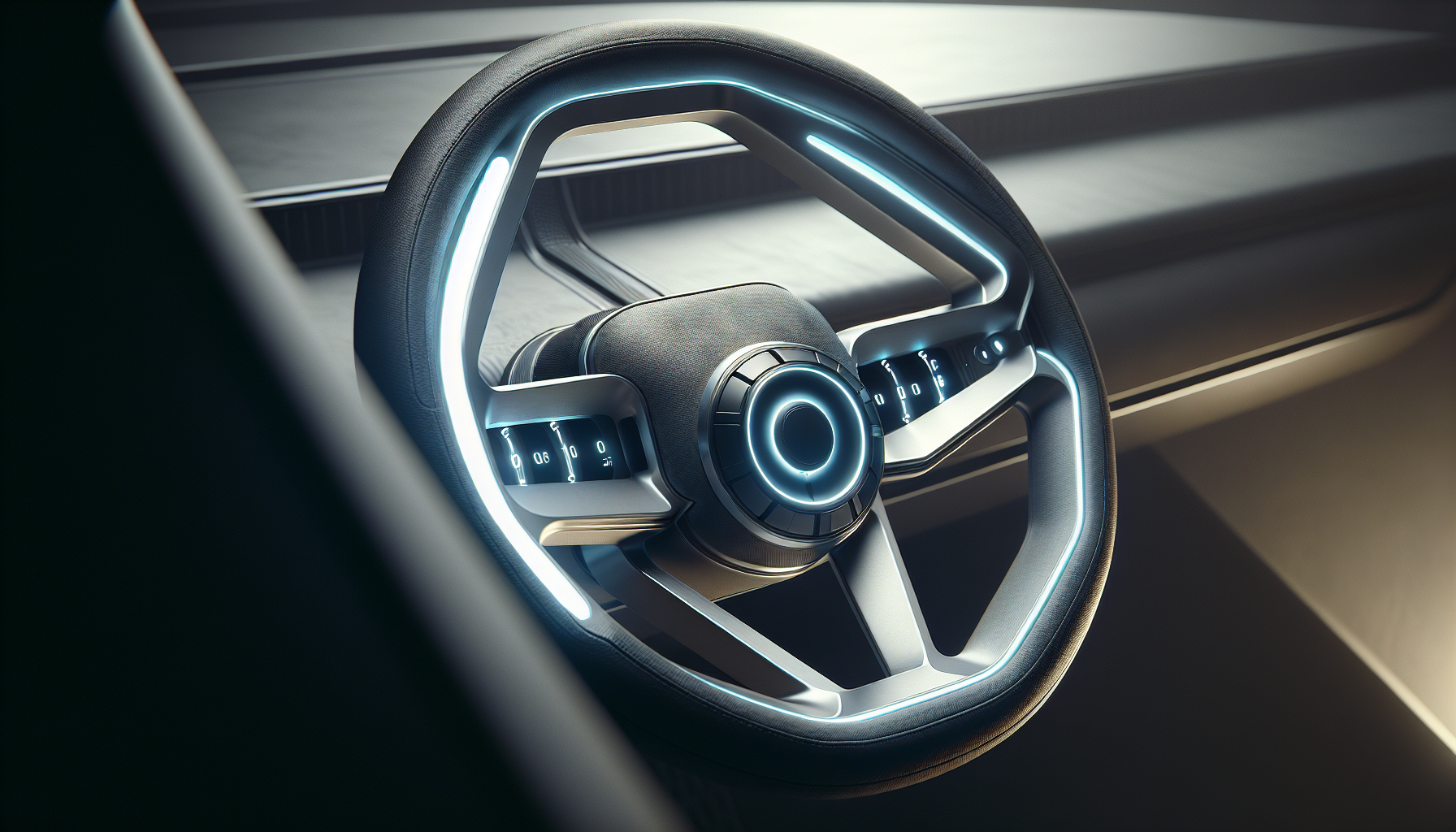
?Are you trying to understand what the Cybertruck will feel like inside and what you should expect to pay for it?
Cybertruck interior and price expectations
This article breaks down what you should expect from the Cybertruck’s interior, trim choices, and pricing outlook. You’ll get a clear sense of materials, layout, technology, seating, storage, and likely price points so you can decide whether you want to reserve one, wait, or plan a comparison with other EV trucks.
Why the interior and price matter to you
The inside of a vehicle affects daily comfort, long trips, and the feeling you get every time you slide into the driver’s seat. Price determines whether the Cybertruck fits your budget and how you prioritize features. Together they shape your ownership experience and long-term value.
Exterior design cues that shape the interior
The Cybertruck’s exterior looks unlike most trucks, and that geometry influences interior packaging. The angular cabin, large windshield, and flat roofline affect headroom, sightlines, and the feel of space.
You’ll want to know how that radical exterior translates into real-world comfort and practicality. Expect unique proportions that lead to both advantages (wide, open dash) and trade-offs (unconventional door openings or sight angles).
Cabin geometry and sightlines
Tesla’s sharp angles and near-vertical windshield give a panoramic feel but may create reflections or unusual glare in certain light. The geometry can also create a strong sense of forward space because of the minimal hood presence.
You should assess sightlines in person when possible, since camera placement, mirror design, and A-pillar thickness will directly affect daily driving confidence.
Dashboard, controls, and minimalist approach
Tesla favors a minimalist interior with large screens and limited physical buttons. The Cybertruck seems to follow that philosophy but scaled to truck functionality and utility.
You’ll likely get a central touchscreen plus a digital driver display and a lower number of tactile switches. Expect touch-driven climate controls, media, and vehicle settings, with some essential physical controls for critical functions.
Central touchscreen and driver display
The central touchscreen will be the nexus for most controls, navigation, media, and vehicle customization. The driver display is expected to convey critical driving info like speed, range, and ADAS prompts.
You should be comfortable using a touchscreen for frequent tasks; if not, you’ll want to try the interface in person to confirm usability while driving.
Physical controls and ergonomics
Tesla tends to limit physical switches, but trucks often need rugged and quick-access controls for things like 4×4 modes, tow/haul, and bed functions. Expect Tesla to keep a few purposeful buttons or rotary controls for essential driving modes.
Ergonomics will matter more given truck use cases; you’ll want to test reach distances and button placement if you plan to work or tow regularly.
Materials, craftsmanship, and perceived quality
Tesla has stepped up material quality in recent years, but the Cybertruck’s exterior stainless steel finish suggests a rugged theme that could carry inside. Expect a mix of durable materials and some premium touches where it matters most.
You should look for soft-touch surfaces where your elbows and knees rest, robust plastics for high-wear areas, and durable upholstery that stands up to outdoor or work use.
Upholstery and seat materials
Tesla will likely offer multiple seat materials across trims—synthetic leather or vegan leather options for easy cleaning, and possibly a higher-end trim with upgraded surfaces. Seats should prioritize support for long drives and versatility for different passenger sizes.
You’ll want seats with good adjustment range, lumbar support, and durable stitching if you plan to haul gear, pets, or people frequently.
Trim finishes and accents
Expect minimalist trim accents—metallic or matte finishes that reflect the Cybertruck’s industrial aesthetic. Contrast stitching, ambient lighting, and trim-specific accents will help differentiate base and premium models.
You should consider which aesthetic resonates with you and whether accent choices align with your lifestyle (professional use versus recreational use, for example).
Seating layout, space, and comfort
The Cybertruck should offer spacious seating that leverages its truck platform and EV packaging. You’ll likely find generous front legroom and a flat floor that improves movement inside the cabin.
You should check second-row space if you regularly carry adults or child seats, and verify headroom given the Cybertruck’s roof geometry.
Front row ergonomics and visibility
The front row will likely be open and airy thanks to a tall windshield and wide dash. Seating ergonomics should support long highway stretches and off-road tasks.
You should ensure visibility aligns with your driving preferences—some drivers like a very commanding view, others prefer reduced glare and compact mirrors.
Rear seating and usability
Rear seats in pickup-style EVs vary between bench-style fold-flat layouts or more sculpted seats with individual adjustments. Expect a functional rear seat that balances passenger comfort with bed-access convenience.
You should test rear-seat legroom and access, especially if you frequently transport child seats, older passengers, or need a flat cargo floor for gear.
Storage, utility, and clever stowage
Utility is core to truck appeal. The Cybertruck should bring creative storage solutions—under-seat storage, a front trunk (frunk), and configurable in-bed features. Tesla may also include modular bins and lockable compartments.
You should look for easy-to-clean surfaces, secure tie-downs, and thoughtful compartments that keep tools, groceries, and gear separated and secure.
Frunk, underfloor, and in-bed storage
The Cybertruck will almost certainly include a frunk and likely under-floor storage in the bed or cabin. These areas will be important for storing charging cables, tools, and valuables.
You should verify the size and accessibility of these areas. Charging cables, for example, can be bulky—dedicated space matters.
Locking storage and security
Keyed or electronic locking for bed covers and compartments will let you secure tools and cargo. Expect Tesla to integrate locking solutions into the vehicle’s app and key system.
You should confirm how locking works when you’re offline or away from cellular coverage, and whether mechanical overrides exist.
Infotainment, connectivity, and software features
Tesla’s infotainment experience is a major feature of its vehicles. You’ll likely get a large, fast screen, over-the-air updates, and deep integration with apps and Tesla services.
You should decide whether you value Tesla’s software-first approach, including regular updates, navigation with charging integration, and built-in streaming services.
Media, navigation, and voice control
Expect premium navigation with route planning for long distances, built-in streaming, and natural language voice control. Tesla’s maps and rerouting for charging will be tailored to EV use.
You should try voice commands and see how well the system recognizes accents and commands you commonly use.
Over-the-air updates and feature expansion
One of Tesla’s strengths is OTA updates that improve features over time. You can expect refinements to UI, additional features, and potentially unlocking of paid functions post-sale.
You should be aware that some features may be introduced later or require subscriptions; track what comes standard versus optional.
Climate control, HVAC, and comfort tech
Tesla uses efficient HVAC systems and heat pump tech in some models; the Cybertruck will likely include robust climate control with settings tailored for insulated cabins and larger glass areas.
You should consider cold-weather packages and seat heating/cooling options if you live in extreme climates.
Cabin heating and range impacts
Heating can affect EV range significantly; efficient heat pumps and pre-conditioning through the app reduce range impact. Tesla tends to include effective preconditioning tools in its ecosystem.
You should plan charging and preheat routines to minimize range loss during winter.
Seat heating, ventilation, and climate zones
Expect multi-zone climate control and heated seats at least; ventilated seats may appear in higher trims. Rear-seat climate control may include vents or adjustable settings.
You should test heating speed and seat comfort to ensure passenger satisfaction in various weather.
Driver assistance, safety, and sensor integration
Tesla’s Autopilot and Full Self-Driving (FSD) options are central to the brand. The Cybertruck will carry advanced driver-assist hardware, cameras, and sensors calibrated for truck use.
You should understand which ADAS features are standard and which are paid extras, and whether regulatory or software updates affect availability over time.
Autopilot, FSD, and regulatory environment
Autopilot features are standard on many Teslas, while FSD is an expensive upgrade and subject to regulatory constraints. The Cybertruck will likely follow this model, with phased feature rollouts.
You should watch local regulations and Tesla announcements to know what functions you can legally and safely use in your area.
Passive safety and crash protection
Structural rigidity, crumple zones, and battery placement all affect passive safety. The Cybertruck’s stainless-steel exoskeleton suggests high structural stiffness, which impacts crash behavior and occupant protection.
You should look for safety ratings and tests that clarify how the Cybertruck performs under various collision scenarios.
Trim levels and configuration options
Tesla historically offers multiple battery and motor configurations. Expect single-motor (rear-wheel), dual-motor (all-wheel), and tri-motor (performance) options, each tuned for range, towing, and acceleration trade-offs.
You should weigh whether you prioritize range, towing capacity, or acceleration for your common use cases before picking a trim.
Expected trim differences
Lower trims typically focus on affordability and sufficient range; mid trims increase range and capability; top trims pack maximum towing and fastest acceleration. Interior finishes and standard tech often scale with trim level.
You should compare how much you value premium interior materials versus functional upgrades like higher-capacity towing packages.
Battery capacity and range implications
Battery size will be a key differentiator in price and actual range. Larger packs cost more but offer longer range and often higher performance. Charging speed and usable capacity are also important.
You should consider your daily driving, towing needs, and charging access when selecting a battery size to avoid paying for excess range you rarely use.
Expected price breakdown and inflation factors
Below is an illustrative table to help you understand likely price tiers. These are estimates based on Tesla’s previous pricing patterns, industry costs, and public statements. Actual MSRP will vary.
| Expected Trim | Estimated Starting Price (USD) | Likely Range (WLTP / EPA) | Key Differentiator |
|---|---|---|---|
| Single-Motor Base | $50,000 – $60,000 | 200–250 miles | Affordable entry, lower towing |
| Dual-Motor Mid | $70,000 – $85,000 | 250–320 miles | Balanced range/towing, AWD |
| Tri-Motor Performance | $100,000 – $130,000+ | 300–350+ miles | Max acceleration, highest towing |
These are directional figures rather than guarantees. You should treat them as planning estimates rather than final MSRP.
Factors that will push price up or down
Material costs, supply chain constraints, EV battery prices, and feature availability all influence MSRP. Regulatory incentives and tax credits can reduce your net cost but vary by jurisdiction.
You should monitor local incentives and Tesla’s eligibility statements; the final price you pay can be significantly affected by refundable incentives or tax credits.
Options, packages, and expected add-ons
Tesla often offers software-enabled features (e.g., FSD), premium audio, and towing packages as optional upgrades or subscriptions. Expect choices that let you balance upfront price against long-term functionality.
You should decide whether you prefer to pay for features upfront or choose subscription services that spread costs over time.
Potential optional features list
- Full Self-Driving software (subscription or one-time)
- Premium paint or accent packages
- Enhanced towing package (weight distribution, transmission cooling)
- Bed accessories and modular storage options
- Powertrain performance upgrades
You should evaluate which features you actually need now versus what you can add later via software or aftermarket options.
Subscription services and software monetization
Tesla increasingly uses subscriptions for convenience and safety features. These can be attractive if you want flexibility, but total lifetime cost can exceed a one-time purchase.
You should calculate monthly subscription cost versus purchase price and estimate how long you’ll keep the vehicle before making a decision.
Charging, range, and ownership costs
Charging infrastructure, home charging setup, and energy costs shape total cost of ownership. Tesla’s Supercharger network is a key advantage, but home charging installation is where you’ll invest for daily convenience.
You should estimate your mileage, local electricity rates, and charging behavior to forecast annual operating costs.
Home charging setup and cost to charge
Installing a Level 2 home charger usually requires a 240V outlet and may cost $500–$2,000 depending on electrical upgrades. Charging cost per mile depends on electricity price—calculate by dividing kWh price by vehicle efficiency.
You should get quotes from electricians early to factor installation into your purchase timeline.
Public charging and long-distance travel
Tesla’s Supercharger network enables long-distance travel with fast charging speeds. For towing or heavy loads, charging times may increase. You should be aware of potential peak-time wait times and regional Supercharger availability.
You should plan routes using Tesla’s trip planner and account for charging stops when towing or carrying heavy loads.
Competitors and how the Cybertruck stacks up
Compare the Cybertruck against trucks like the Rivian R1T, Ford F-150 Lightning, and GMC Hummer EV. Each competitor has trade-offs in interior feel, price, capability, and ecosystem.
You should weigh which attributes matter most: software/OTA updates, interior comfort, towing capacity, or charging network coverage.
Quick competitor comparison table
| Model | Starting Price (approx.) | Notable Interior Strength | Notable Weakness |
|---|---|---|---|
| Rivian R1T | $70,000 | Adventure-ready interiors, premium materials | Limited dealer/service network |
| Ford F-150 Lightning | $50,000 | Familiar truck ergonomics, service network | Heavier traditional layout |
| GMC Hummer EV | $100,000+ | Luxury off-road features, high-tech | Very heavy, high energy usage |
| Cybertruck (est.) | $50k–$130k | Minimalist tech-forward cabin | Unconventional aesthetics may not suit all |
You should test-drive competitors to compare subjective elements like seat comfort, control layout, and ride quality.
Resale value and depreciation expectations
Resale value depends on brand perception, battery health, range trend, and feature desirability. Tesla historically held good resale value for certain models, but the truck market has different dynamics.
You should consider how quickly EV tech advances and whether you prefer to keep a vehicle long enough to amortize software-related costs or trade frequently to capture new features.
Battery longevity and warranty
Battery warranties typically cover 8 years or a specified mileage. Battery longevity affects resale pricing—higher expected degradation reduces buyer interest.
You should read warranty fine print and consider extended warranty options if available.
Purchase, reservation, and delivery considerations
If you’re reserving a Cybertruck, expect deposit requirements, configurable options, and a waiting list that could shift with production ramps. Delivery timelines may vary by region and chosen configuration.
You should review cancellation policies, deposit refundability, and transferability of optional features.
What to expect during ordering
Tesla’s online configurator will likely let you choose battery, motor, color, and interior options. Final price will add taxes, destination fee, and potential accessories.
You should double-check local incentives, trade-in values, and whether Tesla offers financing with favorable terms.
Tips for prospective buyers
- Test ride in person whenever possible to assess unconventional design and ergonomics.
- Prioritize features you’ll use daily (seating comfort, charging access) over headline specs.
- Factor in charging installation, insurance, and potential subscription fees into your total cost.
- Watch for tax-credit eligibility to lower net purchase price.
- Consider how you’ll use the truck (towing, off-road, commuter) and pick trim accordingly.
You should plan beyond sticker price; total cost of ownership can change the value equation.
Common questions you may have
You’ll likely have questions about range while towing, bed size, and whether Tesla will offer dealer support. Below are concise answers to frequent concerns.
Will towing heavily reduce range?
Yes—towing significantly reduces range. The amount depends on weight, aerodynamics, speed, and payload. Plan for more frequent charging stops and consider a larger battery or tri-motor for heavy towing.
You should quantify typical tow weights and test or simulate range under those loads when possible.
Can the Cybertruck be adapted for work (service bodies, racks)?
Expect aftermarket solutions and possibly Tesla accessory partnerships for racks and service-body conversions. Structural and electrical integration will matter.
You should consult converters and ensure warranties won’t be voided by major aftermarket changes.
Final thoughts and buying posture
The Cybertruck promises a distinctive mix of rugged styling, Tesla’s software-driven ecosystem, and EV efficiency. Its interior will likely follow Tesla’s minimalist and tech-forward design while offering truck-specific utility. Pricing will span a wide range to cover both mainstream and premium buyers.
You should balance your desire for novelty with practical needs like charging access, towing capability, and comfort. Reserving early may secure delivery priority, but waiting for real-world reviews and crash-test results can reduce purchasing risk.
Summary table: What to check before you buy
| Topic | What to Check |
|---|---|
| Interior comfort | Seat adjustability, lumbar support, headroom |
| Controls | Touchscreen usability, essential physical buttons |
| Storage | Frunk size, bed storage, lockable compartments |
| Charging | Home charger costs, Supercharger coverage |
| Price | Trim vs. features, incentives, subscription costs |
| Towing | Rated towing, real-world towing range |
| Safety | ADAS features, recall history, crash ratings |
You should use this checklist when you visit a dealership or test-drive to ensure your expectations match reality.
If you want, I can create a comparison checklist tailored to your intended use (commuting, towing, off-roading, family transport) or simulate estimated charging costs for your local electricity rates and typical driving patterns. Which would help you most?