
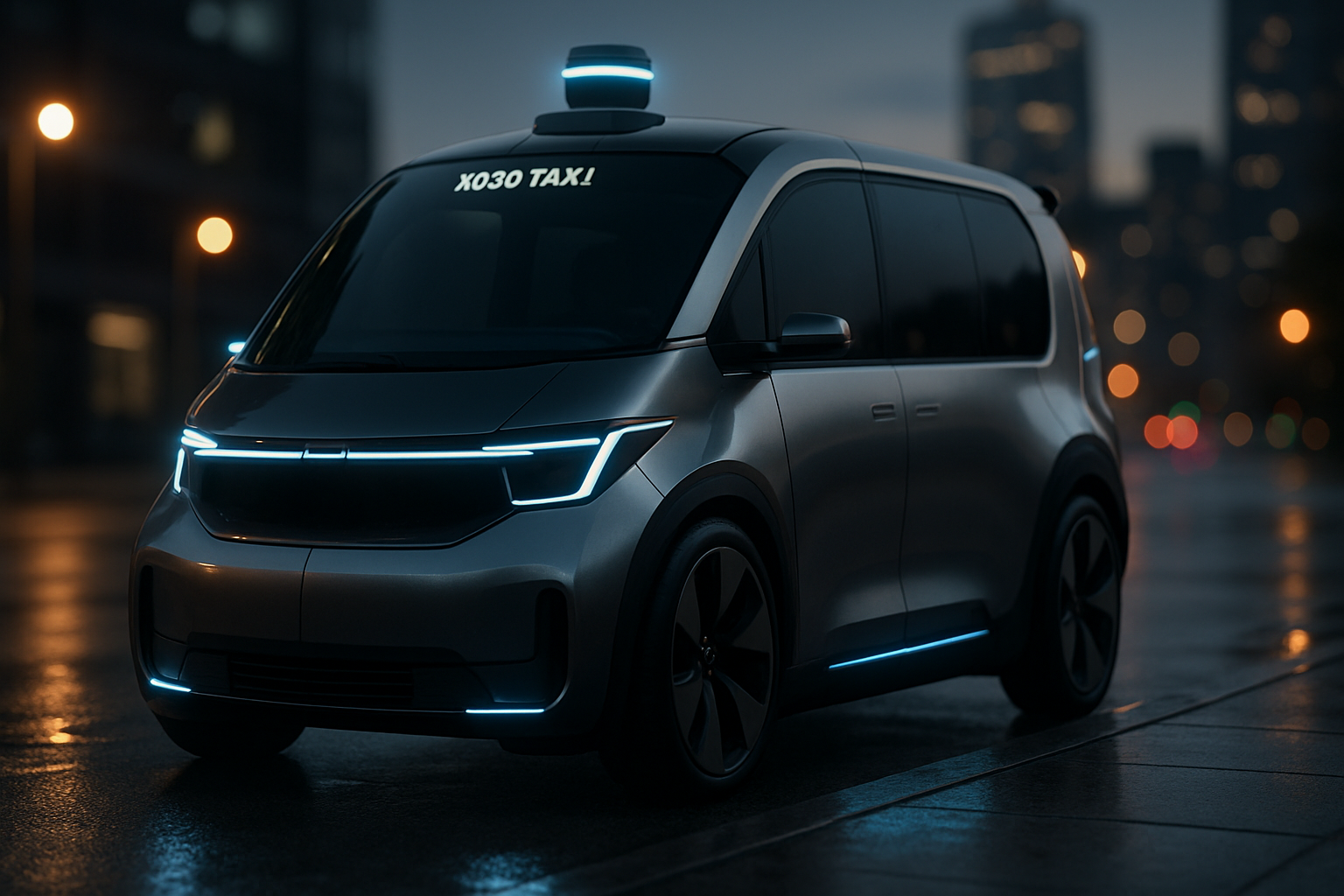
? How will the arrival of robotaxis change the way you navigate and experience cities?
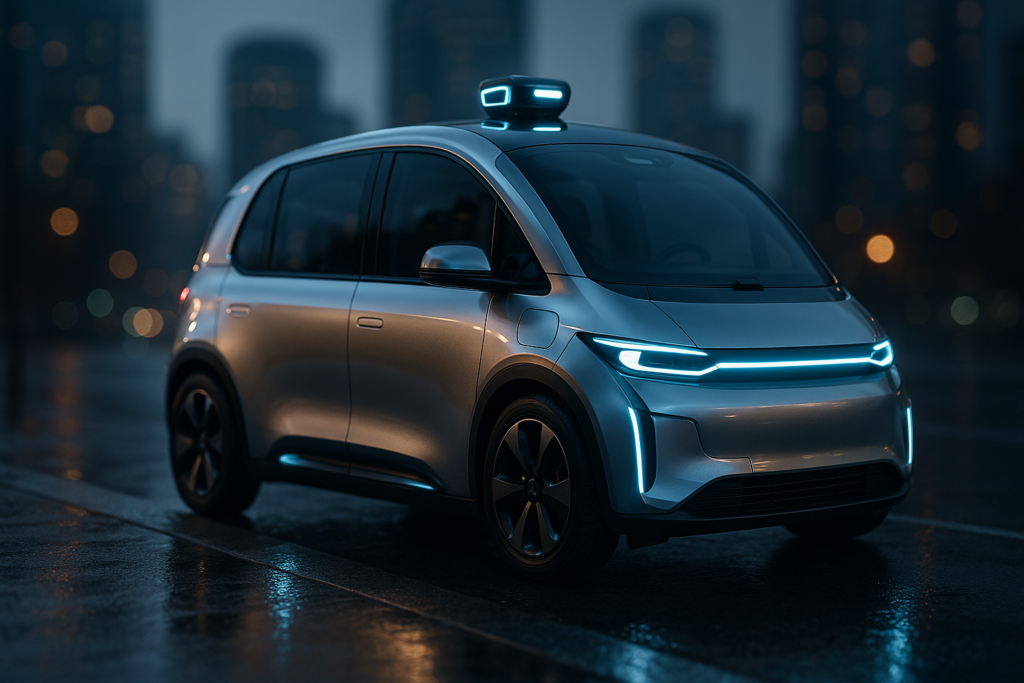
Introduction: What robotaxis mean for your city life
You’re likely hearing more about robotaxis — fleets of autonomous, commercially operated vehicles that promise to transport people without a human driver. This technology could alter commute patterns, reshape urban design, and create new economic and social dynamics you’ll encounter in daily life. In this article, you’ll get a detailed, practical look at what robotaxis are, how they work, where they stand today, and what their arrival could mean for urban mobility.
What is a robotaxi?
A robotaxi is an automated vehicle that provides on-demand passenger service without a human driver. You’ll interface with it much like you do with ride-hailing apps: request a ride, get picked up, and pay through a platform. The key difference is that the vehicle’s sensors, software, and compute systems handle driving tasks.
You’ll find robotaxis built on various vehicle platforms — sometimes modified production cars, sometimes purpose-built chassis — and operated by companies that manage fleets, routing, and user experience.
Why now: the technological and market drivers
Recent advances in AI, sensor technology, high-performance computing, and electric vehicle design have converged to make robotaxi services feasible. You’ve also seen massive investments by automakers, tech companies, and startups aiming to commercialize autonomous services.
At the same time, urban congestion, demand for more flexible mobility options, and the push for decarbonization give cities and companies incentives to try new mobility models. This alignment of technology, capital, and policy interest is accelerating development and pilot deployments.
Key technologies behind robotaxis
The main technologies that enable robotaxis include sensing, perception, mapping, decision-making, communications, and fleet management. Each layer matters for how reliably and safely the vehicles operate.
You’ll see different technical philosophies among providers — for example, whether to use lidar (laser-based sensing) or rely solely on cameras. Those choices influence cost, capability in different environments, and regulatory responses.
Sensors and sensing stacks
Sensors collect raw data about the vehicle’s surroundings. Common components include cameras, radar, and lidar. Some fleets combine all three for redundancy; others, notably Tesla, rely primarily on camera vision and neural network processing.
You’ll want to understand that sensor fusion (combining data types) generally increases robustness, while single-sensor strategies trade some redundancy for cost and simplicity.
Perception and machine learning
Perception systems turn sensor data into an understanding of objects, predict their motion, and detect static features like lanes and curbs. Deep learning and neural nets are central to modern perception.
You’ll experience the results of perception through smoother, safer driving behavior and better handling of edge cases like pedestrians, cyclists, and complex intersections.
Mapping, localization, and HD maps
High-definition (HD) maps provide centimeter-level road and lane information. Some robotaxi services use detailed maps to localize precisely; others work toward map-light or map-free operation to scale faster.
You’ll notice map-heavy services often start in limited geofenced areas, where those maps are maintained and validated.
Planning and control
After sensing and perception, planning systems decide how the vehicle should move — routing, speed profiles, gap acceptance, and evasive maneuvers. Control systems translate these plans into steering, braking, and throttle commands.
You’ll appreciate smoother acceleration, precise stops for pick-ups, and predictable yielding behaviors that come from advanced planning and control systems.
Compute, software, and cloud infrastructure
Robotaxis require substantial onboard compute for real-time sensing and decision-making, plus cloud infrastructure for fleet orchestration, map updates, and machine learning training. Companies often build specialized AI hardware or leverage advanced accelerators (like Tesla’s Dojo plans).
You’ll benefit from continuous software updates that add features and improve safety, similar to what you’ve seen with modern connected cars.
Tesla robotaxi launch date
Tesla has publicly discussed ambitions to launch a robotaxi service and deploy a fully driverless vehicle fleet. Elon Musk and other Tesla executives have made optimistic timeline statements in multiple years, suggesting potential commercialization as early as 2024 in some remarks. However, as of mid-2024, there is no regulator-approved, company-announced, fixed launch date for a full-scale Tesla robotaxi service.
You should treat Tesla’s statements as targets rather than confirmed dates. Tesla’s approach is vision-first (camera-based Full Self-Driving, FSD), complemented by massive neural-network training and Dojo compute. Regulatory approval, software validation, and operational readiness remain the primary gating factors before a formal robotaxi launch.
Table: Public statements and context (sample timeline)
| Year | Public statement or milestone | Context/implication |
|---|---|---|
| 2019 | Early FSD ambitions articulated | Company sets long-term target for autonomy |
| 2020 | Tesla reiterates full autonomy goals | Focus on FSD Beta deployments to owners |
| 2022 | Optimistic timelines for robotaxi claims | Musk suggests future robotaxi capabilities |
| 2023 | Continued FSD Beta expansion; statements on future robotaxi fleets | Company scales testing; still no regulatory launch date |
| 2024 (as of mid-2024) | No regulator-certified commercial robotaxi service announced by Tesla | Target dates remain aspirational; regulators and safety validation remain unresolved |
Note: This table summarizes public signals rather than official launch proclamations. Statements from company leaders can be aspirational and may change.
Who else is in the robotaxi race?
You’ll recognize several major players: Waymo, Cruise, Baidu’s Apollo/Maps partnerships, AutoX, Motional, Zoox (Amazon-owned), and others. Each has a different approach to sensors, mapping, and business models.
Waymo and Cruise, for example, use a combination of lidar, radar, and cameras and have been operating limited commercial services in defined urban areas. Baidu has active robotaxi services in China. AutoX focuses on map-light approaches. Motional partners with automakers for purpose-built AV fleets.
Table: Representative comparison of robotaxi providers
| Provider | Sensing approach | Deployment status (as of mid-2024) | Business model |
|---|---|---|---|
| Waymo | Lidar + radar + cameras | Commercial robo-taxi in multiple U.S. areas | Direct service (Waymo One) |
| Cruise | Lidar + radar + cameras | Limited commercial robotaxi in San Francisco | Service run in partnership with GM |
| Tesla | Vision-first (cameras) + radar phased out | FSD Beta testing with owners; no commercial robotaxi launched | Potential fleet service leveraging owner fleet data |
| Baidu (Apollo) | Lidar + cameras + radar | Commercial operations in several Chinese cities | Commercial service through partners |
| AutoX | Camera-first with some lidar use | Pilot services in China and limited US pilots | Fleet operator, rides and logistics |
| Motional | Lidar + radar + cameras | Pilot and commercial partnerships (e.g., Lyft) | Partnered ride-hailing services |
This table simplifies many technical and regulatory subtleties, but it gives you a quick landscape of differences.
Safety, trust, and public acceptance
Safety is the most critical dimension for public acceptance. You’ll need robust evidence that robotaxis reduce accidents and operate reliably under diverse conditions.
Companies publish safety assessments, but different regulators demand different kinds of evidence: disengagement reports, real-world miles driven, safety-of-system analyses, and independent audits. Public trust grows when transparency, incident analysis, and clear remediation processes are in place.
You should also expect phased rollouts: geofenced operations in predictable environments first, then gradual expansion as systems prove themselves.
Measuring safety: metrics and standards
Common metrics include miles driven per disengagement (where a human intervenes), incident rates per mile, and performance in edge cases. Regulators and third parties push for standardized safety metrics to compare providers.
You’ll want to see not only aggregate miles but also how systems handle edge cases like unprotected left turns, construction zones, and unusual pedestrian behavior.
Human factors and rider behavior
How you interact with a robotaxi matters: in-vehicle interfaces, emergency stop capabilities, and clarity about operational limits reduce anxiety. Passenger education, ergonomics, and clear communication (via apps or in-car prompts) encourage safer, more predictable behavior.
You’ll feel more comfortable when vehicles communicate what they’re doing (e.g., “Yielding to pedestrian”) and when there are clear procedures for contacting remote support.
Regulation and public policy
Regulators shape where and how robotaxis can operate. Local, national, and international rules will affect testing permits, insurance requirements, liability frameworks, and data privacy obligations.
You’ll need cities and regulators to collaborate with providers on curb access, parking conversions, and traffic laws adapted to driverless operations. Some places will be proactive and permissive; others will be cautious.
Licensing, safety certifications, and pilot permits
Many states or cities require specific permits for autonomous testing and commercial operation. For example, California and Arizona have different regimes for testing and limited commercial services. You’ll notice that permitting often requires demonstrating safety processes, cybersecurity measures, and operational controls for edge cases.
Liability and insurance
Liability frameworks are evolving. If a robotaxi crashes, determining whether liability rests with the manufacturer, fleet operator, or software provider is complex. You’ll see insurance products adapting to this new risk model, with combined product and operational coverage to reflect software-driven responsibility.
Data privacy and security
Robotaxis collect rich sensor data that can include images of people and public spaces. You’ll expect privacy protections, data minimization, and secure handling of personal data. Cybersecurity is equally critical: hacks that compromise vehicle control or rider data are significant risks that regulators will address.
Urban planning and infrastructure implications
Robotaxis will interact with urban infrastructure in new ways. You’ll see changes to curb space, parking, charging needs, and roadway design. Cities can either inhibit or accelerate benefits depending on how they plan.
Curb management and pick-up/drop-off zones
Curb space will become a premium resource for robotaxi pick-ups and drop-offs. Cities may allocate designated loading zones, reserve curb space dynamically, and implement pricing to manage demand.
You’ll likely walk a short distance to optimized micro-hubs in some areas, and in others robotaxis will pull curbside for doorstep service depending on local rules.
Parking and land use
If robotaxi adoption reduces private car ownership, you’ll see less demand for long-term parking. Surface lots and garages could be repurposed for housing, parks, or commercial use. This change offers developers and city planners opportunities to rethink land use.
You’ll benefit from reclaimed urban space if policies encourage conversion of parking into housing, green space, or mobility hubs.
Charging and electrification infrastructure
Most robotaxi concepts assume electric powertrains for cost, emissions, and maintenance reasons. You’ll need robust public and private charging infrastructure, fast-charging depots, and fleet charging management to keep vehicles available.
You’ll notice specialized charging and maintenance facilities near high-demand zones and night-time staging areas where vehicles recharge and get cleaned.
Impacts on traffic, congestion, and vehicle miles traveled (VMT)
Whether robotaxis reduce or increase congestion depends on pricing, regulatory constraints, and how they complement public transit. They can replace private car trips, shorten walk or wait times, and also induce new trips by making mobility cheaper and more convenient.
You’ll see a complex mix: robotaxis can reduce ownership and parking demand, but they might increase empty vehicle miles (deadheading) unless optimized for pooled trips and fleet management.
Table: Potential transport impacts and influencing factors
| Impact area | Potential positive outcome | Potential negative outcome | Factors that influence outcome |
|---|---|---|---|
| Congestion | Fewer privately owned cars, optimized routing | Increased empty miles, induced demand | Pricing, pooling incentives, regulation |
| Transit integration | Improved first/last mile access to transit | Modal shift away from high-capacity transit | Fare integration, service coordination |
| Parking demand | Reduced need for long-term parking | Short-term curb congestion during transfers | Ownership rates, curb management |
| Travel equity | Improved access for non-drivers | Service concentration in profitable areas | Regulation, public subsidies, fare structure |
This table helps you weigh the trade-offs that cities must manage to ensure robotaxis support broader mobility goals.
Accessibility and equity
Robotaxis have the potential to improve access for people with disabilities, older adults, and those underserved by current transit. But without deliberate policy, services may concentrate in affluent, dense neighborhoods and leave mobility deserts behind.
You’ll want to see mandates or incentives that require service coverage across a city, accessible vehicle designs, and subsidized fare programs to ensure equitable access.
Design for accessibility
Vehicles should include features like low floors or ramp deployment, multimodal pick-up instructions, and accessible in-app experiences. You’ll find that user-centered design is essential to make robotaxis useful to everyone.
Equity-focused policy tools
Cities can require minimum service levels, require companies to serve a set of disadvantaged neighborhoods, or offer subsidies to providers for less profitable routes. You’ll benefit when regulators proactively include equity metrics in permitting.
Economic effects and labor
Robotaxi adoption will shift labor demand in driving and create new jobs in fleet maintenance, data labeling, operations, and urban planning. However, there will be near-term disruptions for drivers in taxi and ride-hail markets.
You’ll likely see transitional policies such as retraining programs, labor protections, and phased approaches to deployment that account for employment impacts.
Cost structures and fares
Robotaxis can reduce labor costs, which may lower fares and make on-demand mobility more affordable. However, capital and operating costs (vehicles, sensors, compute, insurance, charging) will shape pricing.
You’ll notice that pooled rides and subscription models are likely strategies for providers to achieve profitable unit economics.
New business models and ecosystem
Beyond passenger rides, robotaxi fleets can support deliveries, mobile services, and logistics during off-peak hours. You’ll see 24/7 usage models where vehicles perform passenger trips by day and logistics tasks by night, maximizing asset utilization.
Environmental implications
Robotaxis are often electric, which supports emissions reductions when electricity is clean. However, if robotaxis increase total vehicle miles or replace public transit and walking trips, net environmental benefits could be smaller.
You’ll get the most environmental benefit when fleets are electric, charging is matched with renewable energy, and pricing encourages pooled trips and integration with transit.
Life-cycle and manufacturing considerations
Environmental impacts extend to vehicle manufacture and battery production. Purpose-built robotaxi platforms that are lighter and optimized for longevity can improve life-cycle emissions compared to frequent vehicle replacements.
You’ll want to look for providers and policies that prioritize efficient vehicle design and circular economy practices for batteries and components.
Urban design and public space transformation
With less need for parking, streets and plazas can be reimagined. You’ll see more pedestrian space, wider sidewalks, bike lanes, and green space if cities allocate reclaimed space thoughtfully.
Street design can also shift: narrower travel lanes, curbside loading zones, and dedicated lanes for autonomous fleets might become common in some corridors.
Micro-mobility integration
Robotaxis don’t replace every trip. Integration with bike-share, scooters, and walking is essential to create a multimodal urban system. You’ll benefit from seamless transfers, unified payment systems, and first/last-mile solutions.
Public realm benefits and risks
If managed well, robotaxi deployment could fund public realm improvements through curb pricing. If mismanaged, curbside chaos and increased curbside vehicle dwell times could degrade the pedestrian environment you value.
Operational challenges and edge cases
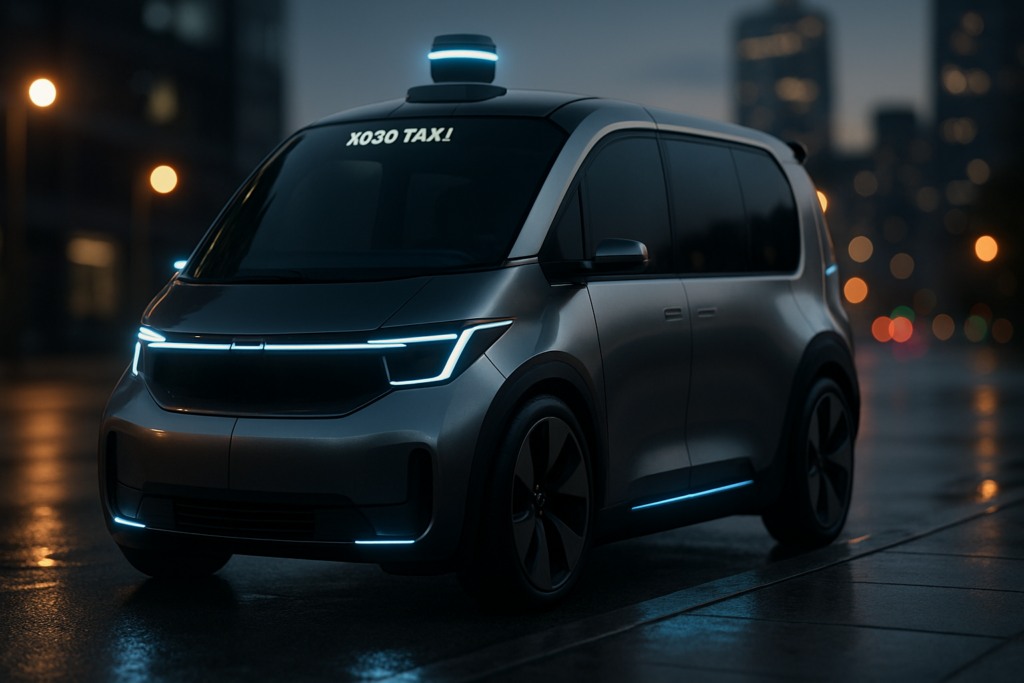
Edge cases — rare but challenging scenarios — are the biggest technical hurdle for autonomous vehicles. Construction zones, unpredictable human behavior, severe weather, and sensor occlusions create situations that require careful handling.
You’ll want to see robust fallback strategies, remote operator assistance, and conservative operational design domains (ODDs) that limit vehicle operations to environments where the system is proven.
Remote assistance and teleoperation
When robotaxis encounter situations they cannot handle, remote operators may assist or take temporary control. Teleoperation can extend operational capabilities but introduces latency, bandwidth, and legal challenges.
You’ll expect remote-assistance protocols that maintain rider safety and clear handoff procedures if control shifts from automation to a human operator.
How cities should plan for robotaxi integration
Cities can shape outcomes proactively by setting rules and incentives that align robotaxi deployment with public goals: reduce congestion, ensure equity, and protect public space.
You’ll want cities to:
- Create clear permitting frameworks and data-sharing requirements.
- Design curb and curb-access pricing that reflects demand and public value.
- Require equity provisions in operating permits.
- Support charging infrastructure and fleet staging in city planning.
- Establish transparent safety and incident-reporting protocols.
Practical tips for riders and residents
If you’re a potential user or resident, here are practical things to watch for:
- Understand service footprints: robotaxi services will start in limited zones before expanding.
- Check accessibility features: look for vehicles and apps that accommodate your needs.
- Be aware of curb rules and pick-up/drop-off regulations in your city.
- Expect dynamic pricing and pooling options that affect wait times and fares.
- Watch public communications for safety recalls, updates, and service changes.
You’ll benefit from staying informed about local pilot programs and giving feedback to operators and city agencies.
Case studies and early deployments
Several cities have hosted early robotaxi deployments that provide lessons:
- Phoenix and San Francisco have been centers for U.S. testing with Waymo and Cruise; they revealed both technical progress and social challenges, especially in complex urban environments.
- Beijing and other Chinese cities have seen Baidu’s and AutoX’s early commercial services, showing rapid scaling when regulations and local partners align.
- Some European pilots emphasize safety, data privacy, and close alignment with public transit.
You’ll find that each case reveals different trade-offs: speed of deployment vs. regulatory caution, broad coverage vs. geofenced reliability.
Timeline and realistic expectations
Robotaxi commercialization is an incremental process that often follows this pattern:
- Research and closed testing.
- Limited on-road testing with safety drivers.
- Driverless trials in limited, geofenced areas.
- Small-scale commercial service in select neighborhoods.
- Gradual geographic and operational expansion as safety and regulatory approvals permit.
You’ll likely encounter more pilot services in the next few years and wider availability later in the decade, depending on regulatory decisions and technological progress.
Table: Phased deployment model
| Phase | Description | What you’ll see |
|---|---|---|
| Research & testing | Lab and controlled environment testing | Prototypes, safety drivers, simulation |
| Supervised on-road testing | Testing with human safety drivers | Local pilot programs, data collection |
| Geofenced driverless trials | Operations without drivers in limited zones | Controlled robotaxi pick-ups and drop-offs |
| Limited commercial service | Paid rides in defined areas | App-based booking, early adopters |
| Scaled operation | Multi-city, broad coverage | Integrated public/private mobility services |
Governance, public engagement, and transparency
Governance models that include public consultation will produce better outcomes. You’ll want to see:
- Transparent data-sharing about safety incidents.
- Community engagement on curb allocation and service coverage.
- Independent audits and public reporting of safety performance.
Public trust grows when cities and companies are accountable and provide clear channels for feedback.
Long-term vision: integrated, multimodal mobility systems
In the long run, robotaxis are likely to be one component of a broader, seamless mobility ecosystem that includes transit, micro-mobility, walking, and freight logistics. When integrated thoughtfully, you’ll benefit from reduced travel friction, better accessibility, and more livable streets.
The most positive scenarios involve policies that encourage pooling, integrate fares across services, and prioritize high-capacity transit for dense corridors while using robotaxis for gaps and low-demand routes.
Risks and pitfalls to watch
Some key risks you’ll want to monitor:
- Regulatory capture: companies shaping rules to favor large incumbents.
- Service deserts: robotaxis concentrating on high-profit areas at the expense of social equity.
- Increased VMT: cheaper on-demand rides inducing more trips and negating environmental gains.
- Security vulnerabilities: cyberattacks or privacy violations.
- Overreliance on a single technology approach: e.g., vision-only systems might struggle in certain weather or lighting conditions.
Proactive policy and public oversight are essential to mitigate these risks.
Recommendations for policymakers and operators
If you’re involved in policymaking or operating fleets, consider these recommendations:
- Require transparent safety reporting and independent audits.
- Use curb pricing and allocation to manage demand and support public goals.
- Mandate service coverage or provide subsidies to ensure equity.
- Encourage vehicle accessibility and inclusive service design.
- Promote data-sharing protocols that protect privacy while enabling oversight.
- Plan charging infrastructure and grid impacts in coordination with energy providers.
- Prepare workforce transition programs for displaced workers.
These steps help align robotaxi implementation with the public interest.
Conclusion: What to expect and how to prepare
Robotaxis will likely arrive gradually, shaped by technology, business models, and regulation. You’ll experience early services in defined urban areas, with expansion over time as safety and regulatory confidence grow. The technology has the potential to reshape how you move, live, and use urban space — for better or worse — depending on how cities and companies manage the transition.
You can prepare by staying informed about local pilots, participating in public consultations, supporting policies that emphasize equity and safety, and considering how robotaxis fit into your own mobility choices.
Additional resources and how to follow developments
To keep up with robotaxi developments:
- Watch regulator announcements in your city and country.
- Follow official company safety reports and independent audits.
- Participate in local transportation planning meetings or surveys.
- Monitor academic and industry studies on autonomous vehicle safety and urban impacts.
Staying engaged will help ensure the arrival of robotaxis benefits you and your community as cities evolve.